Introduction
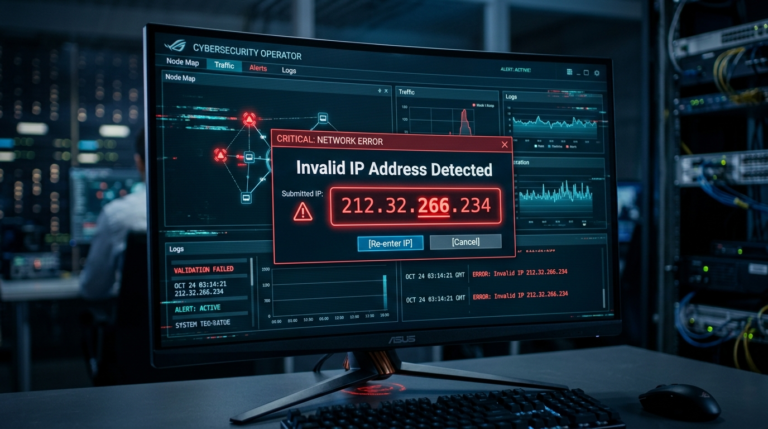
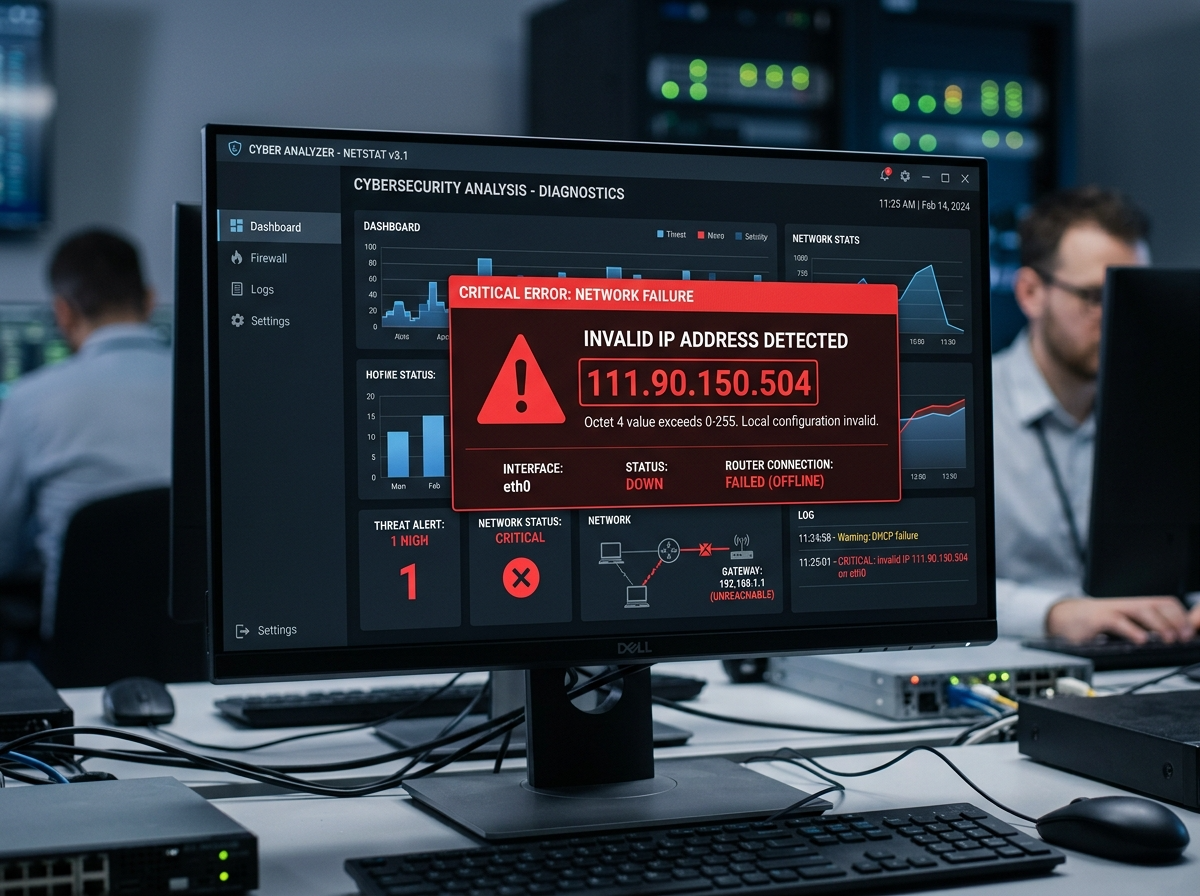
The sequence 111.90.150.504 looks like a standard IPv4 address at first glance, but in reality, it is not a valid Internet Protocol address. In networking terms, IP addresses are numerical labels used to identify devices on a network and allow communication across the internet. However, every IPv4 address must follow strict formatting rules, and even a small error can make it unusable. This is why understanding why 111.90.150.504 is invalid is important for students, IT learners, cybersecurity analysts, and anyone working with network systems.
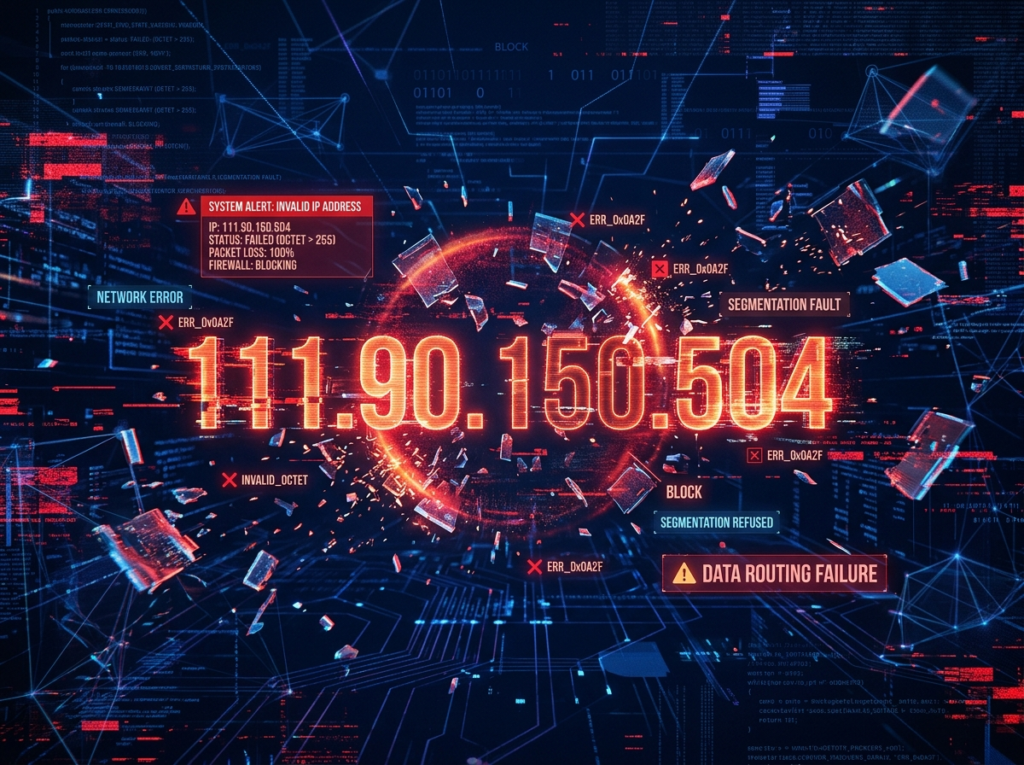
In the digital world, IP addresses are often analyzed for security, geolocation, troubleshooting, and traffic monitoring. When an invalid IP like this appears in logs 111.90.150.504 or search queries, it can create confusion. To fully understand it, we need to explore how IP addressing works, why formatting rules exist, and what such errors usually mean in real-world systems.
What Is an IP Address and Why It Matters in Networking
An IP address is a unique identifier assigned to every device connected to a computer network. It functions like a digital postal address, 111.90.150.504 ensuring that data sent over the internet reaches the correct destination. Without IP addresses, communication between servers, websites, and devices would not be possible.
In technical terms, an IP address belongs to the Internet Protocol system, which operates at the network layer of global communication systems. It is essential for routing data packets across networks. Every time you visit a website, stream a video, or send a message, your device relies on IP addressing to complete that communication path successfully.
Modern networking relies heavily on two systems: IPv4 and IPv6. IPv4 is still the most widely used format and is based on a 32-bit structure. This system allows around 4.3 billion unique addresses, although many are reserved for special purposes. IPv6 was introduced later to solve the shortage problem by offering an almost unlimited number of addresses.
Structure of IPv4 and Why 111.90.150.504 Breaks the Rules
IPv4 addresses are written in a dotted decimal format consisting of four numerical sections called octets. Each octet represents 8 bits of data and must always be between 0 and 255. This rule exists because 8 bits can only represent values within that range.
A valid IPv4 address looks like 111.90.150.204 or 192.168.1.1. Each segment fits within the allowed limit, making the address usable for routing and identification in networks.
However, the address 111.90.150.504 violates this fundamental rule because the last segment “504” exceeds the maximum allowed value of 255. This makes the entire IP structure invalid. No router, server, or internet service provider can assign or recognize such an address in a real network environment.
Why Invalid IP Addresses Like 111.90.150.504 Appear
Even though this IP address is not real, it may still appear in logs, websites, or online discussions. One common reason is simple human error. A typo during data entry can easily result in incorrect values being saved or displayed in systems.
Another common reason is software malfunction or data corruption. When network logs are processed incorrectly, missing or broken data can produce malformed IP addresses that look real but are not valid.
In cybersecurity environments, invalid IP addresses can sometimes be generated intentionally. This is known as data spoofing or obfuscation, where fake network information is inserted to hide real traffic sources or confuse tracking systems. While not always malicious, it can indicate suspicious or unreliable data sources.
Technical Explanation of IPv4 Validation Rules
IPv4 validation is based on strict binary limitations. Since each octet represents 8 bits, the maximum value it can hold is 255. Any number above this range cannot be converted into a valid binary representation within the IPv4 system.
This structure ensures that every IP address remains unique and properly routable across global networks. When a system detects a number outside this range, it automatically rejects it as invalid. This prevents routing errors and ensures network stability.
IP validation is a critical part of internet infrastructure. Operating systems, firewalls, routers, and web servers all depend on correct formatting. Even a small deviation, like 504 instead of 254, can break connectivity or cause system errors.
Is 111.90.150.504 Dangerous or Harmful?
On its own, 111.90.150.504 is not dangerous because it does not exist as a functional IP address. It cannot connect to networks, cannot host services, and cannot be used for hacking or communication.
However, its presence in logs or analytics systems may still raise concerns. In cybersecurity analysis, unusual or invalid IP patterns can sometimes indicate system misconfiguration, automated bot traffic, or manipulated data inputs.
Security systems often treat such entries as anomalies. While they are not direct threats, they can signal that data integrity should be reviewed. In some cases, attackers use fake or malformed IP addresses to bypass basic filtering systems, although modern security tools are designed to detect and block such inconsistencies.
Real-World Importance of IP Address Accuracy
Accurate IP addressing is essential for maintaining stable internet communication. Even small mistakes in IP data can lead to failed connections, misrouted traffic, or incorrect logging of user activity.
In enterprise environments, IP addresses are used for monitoring users, managing servers, and controlling access to networks. Cybersecurity systems also rely on them for detecting threats and blocking malicious behavior.
Because of this, organizations use automated validation systems to ensure all IP addresses are correctly formatted before they are processed. This helps prevent errors like 111.90.150.504 from affecting system performance or security analysis.
How Systems Handle Invalid IP Addresses
When an invalid IP address is detected, most systems automatically reject or ignore it. Firewalls and routers are designed to only process valid IPv4 or IPv6 addresses, ensuring that malformed data does not enter the network.
Logging tools may still record invalid entries for diagnostic purposes. These logs help engineers identify software bugs, configuration errors, or potential data tampering attempts. In many cases, invalid IP addresses are filtered out during analysis to maintain clean and accurate datasets.
Advanced monitoring tools also categorize such anomalies to help security teams understand whether they are harmless errors or signs of suspicious activity.
Conclusion
The IP address 111.90.150.504 is not a valid IPv4 address because it breaks the fundamental rule that each octet must stay within the range of 0 to 255. The presence of “504” makes it impossible for this address to exist in real networking systems.
While it is not harmful or functional, it is useful as an example for understanding how strict IP formatting rules are and why validation is important in networking. Such invalid entries often result from human error, system bugs, or occasionally intentional data manipulation.
By understanding how IP addresses work, users can 111.90.150.504 better interpret network data, identify errors, and improve their knowledge of cybersecurity and internet infrastructure.