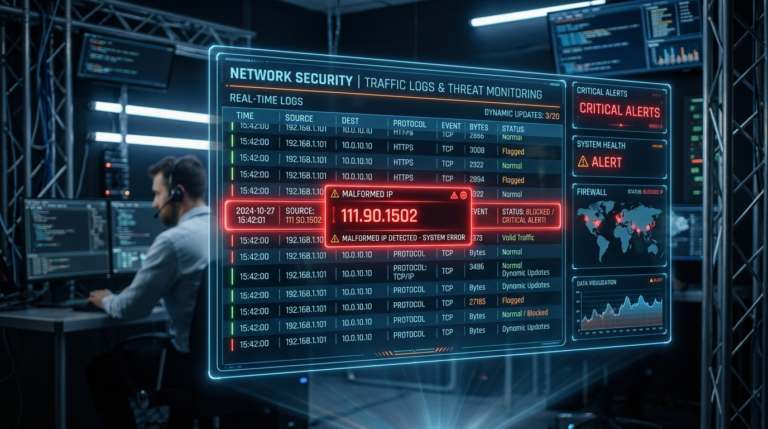
The keyword “111.150.90.2004” has gained attention online because many internet users assume it is a real IP address. At first glance, the number appears similar to a standard IPv4 address, which normally consists of four numerical sections separated by periods. However, a closer technical examination reveals that this string does not follow the accepted rules of internet protocol addressing. As a result, it cannot function as a legitimate IP address in networking systems.
Interest in unusual IP-related keywords has increased in recent years because people are becoming more aware of cybersecurity, internet privacy, and network monitoring. Users often search for strange IP addresses after finding them in browser logs, server reports, suspicious notifications, or online discussions. In many cases, these searches are driven by curiosity or concern about whether the address is linked to hacking, malware, or online tracking. 111.150.90.2004 Understanding the structure and limitations of internet protocol addresses helps eliminate confusion and provides a clearer picture of how the internet actually works.
What an IP Address Means in Internet Networking
An IP address, short for Internet Protocol address, is a unique numerical identifier assigned to devices connected to a network. Every device that communicates through the internet, including smartphones, computers, gaming consoles, routers, and servers, uses an IP address to send and receive information. Without IP addressing, internet communication would not be possible because systems would have no way to identify where data should travel.
The most common format used worldwide is IPv4, which organizes addresses into four numerical groups called octets. Each octet is separated by a dot and can contain values only between 0 and 255. Examples of valid IPv4 addresses include 192.168.1.1 or 8.8.8.8. This strict numerical range exists because IPv4 uses an 8-bit structure for each octet. When any segment exceeds 255, the address immediately becomes invalid and unusable for internet communication.
Why 111.150.90.2004 Is Technically Invalid
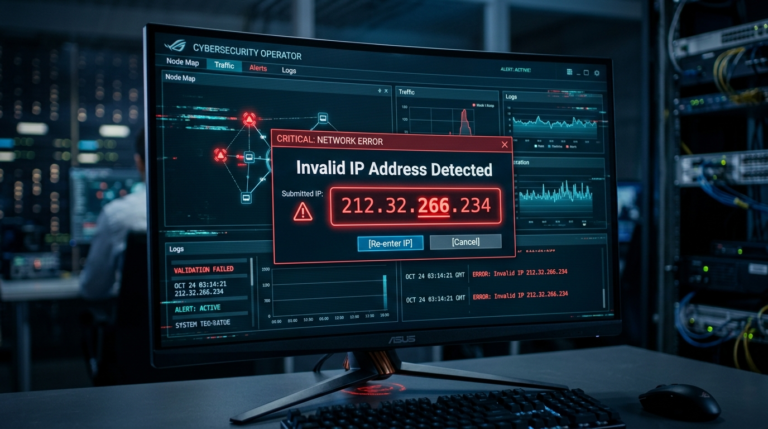
111.150.90.2004 The number 111.150.90.2004 fails to qualify as a valid IPv4 address because the last section, “2004,” exceeds the maximum permitted value of 255. In standard IPv4 formatting, each octet must remain within the 0–255 range. Since 2004 is far beyond that limit, the address breaks the technical rules required for routing internet traffic.
This means the address cannot be assigned to a server, router, or user device anywhere on the public internet. Network systems, browsers, DNS servers, and firewalls rely on precise formatting rules to process internet traffic correctly. If even one octet falls outside the allowed range, the entire address becomes unusable. Because of this, 111.150.90.2004 has no operational meaning in networking infrastructure and cannot be traced like a real IP address.
Common Reasons Invalid IP Addresses Appear Online
One of the most common explanations for invalid IP addresses is simple human error. A person entering data manually may accidentally add extra digits, type the wrong number, or incorrectly copy information from logs or reports. For example, someone intending to type 111.150.90.204 could mistakenly add an extra digit and create an invalid address instead.
111.150.90.2004 Software glitches and corrupted datasets are another major reason malformed addresses appear online. Web applications, analytics systems, server monitoring tools, and tracking scripts occasionally generate incorrect values due to coding problems or formatting issues. Once these invalid strings appear on websites or public reports, search engines may index them, causing curious users to search for explanations. This process often gives technically meaningless numbers unexpected popularity online.
Understanding IPv4 Structure and Address Rules
IPv4 addresses are built on a 32-bit system divided into four octets. Each octet contains eight bits of data, allowing values between 0 and 255 only. This design created approximately 4.3 billion unique IPv4 addresses, although many are reserved for special purposes such as private networks, multicast communication, and system testing.
The limitations of 111.150.90.2004 IPv4 eventually contributed to the development of IPv6, which offers a much larger address space. Despite this transition, IPv4 remains widely used throughout the world. Because of its continued importance, networking systems still enforce strict formatting standards. An invalid number such as 111.150.90.2004 cannot function because routers and servers are unable to interpret the oversized octet properly. Even a small formatting mistake can prevent internet traffic from reaching its intended destination.
Can Invalid IP Addresses Create Security Risks
An invalid IP address itself cannot directly attack a device or establish a network connection because it does not represent a legitimate endpoint. However, cybersecurity professionals still recommend caution when users encounter unfamiliar technical strings online. Attackers sometimes use confusing numbers or fake network warnings to scare users into clicking malicious links or downloading unsafe software.
For example, fraudulent security messages may claim that a suspicious IP address accessed a user’s device, even when the displayed address is technically impossible. People unfamiliar with networking rules may panic and follow dangerous instructions. Understanding how valid IP formatting works makes it easier to recognize fake alerts and avoid scams. This basic technical knowledge is an important part of online safety and cybersecurity awareness.
The Role of IP Addresses in Everyday Internet Usage
IP addresses are involved in nearly every online activity people perform daily. When users browse websites, stream videos, send emails, or use cloud applications, their devices communicate through IP-based systems. These addresses help internet infrastructure identify where information should be delivered and where responses should return.
Internet service providers assign IP addresses either dynamically or statically. Dynamic IP addresses change periodically, while static IP addresses remain fixed over time. Businesses often rely on static addresses for hosting services, remote access, and online infrastructure management. Since these systems depend entirely on valid addressing standards, malformed strings like 111.150.90.2004 provide no useful networking functionality and cannot participate in legitimate communication processes.
IPv4 vs IPv6 and the Evolution of Internet Addressing
The internet currently operates using two major addressing systems: IPv4 and IPv6. IPv4 uses four decimal-based octets separated by periods, while IPv6 uses a more advanced hexadecimal structure separated by colons. IPv6 was introduced because the world began running out of available IPv4 addresses as internet usage expanded rapidly.
Many users become confused when comparing these two systems. Some mistakenly assume that any unusual numerical string must belong to IPv6, while others think longer numbers automatically indicate invalid formatting. In reality, each protocol follows its own strict structural rules. Even though IPv6 supports vastly larger address spaces, it still requires proper formatting standards. The string 111.150.90.2004 does not comply with either IPv4 or IPv6 requirements, which confirms its invalidity.
What Happens When Systems Detect Invalid IP Addresses
Modern networking systems automatically validate IP addresses before accepting or processing them. Firewalls, routers, hosting platforms, and server management tools immediately reject improperly formatted addresses. This validation process prevents routing errors, security issues, and configuration failures.
Many users encounter “Invalid IP Address” errors while configuring networks, setting up servers, or entering IP ranges into software platforms. These systems check whether each octet falls within the allowed numerical limits. If a value exceeds the acceptable range or contains invalid characters, the configuration fails automatically. This is exactly what would happen if someone attempted to use 111.150.90.2004 in a real networking environment.
Why Internet Users Search for Strange IP Strings
Search trends show that people often look up unusual IP addresses because they appear mysterious or potentially threatening. Users may discover unfamiliar numbers in website analytics, gaming platforms, social media logs, or cybersecurity discussions. Curiosity about online privacy and digital tracking encourages many individuals to investigate these strings further.
Another reason involves search engine indexing behavior. Once an invalid IP-like string appears publicly on websites, forums, or technical reports, search engines may rank and display that content. This creates additional searches from users trying to determine whether the address is real, dangerous, or connected to suspicious activity. In many situations, the keyword gains visibility despite having no actual technical significance.
Practical Advice for Users Encountering 111.150.90.2004
If you encounter 111.150.90.2004 in logs, notifications, analytics tools, or online articles, the best approach is to recognize it as invalid data. The oversized final octet clearly violates IPv4 formatting rules, which means the address cannot function on the internet. In most cases, there is no reason for concern.
Users should first determine whether the address may simply contain a typo. Many invalid strings are accidental errors created during manual entry or software processing. If suspicious activity accompanies the address, focusing on general cybersecurity practices is far more important than investigating the malformed IP itself. Keeping software updated, avoiding suspicious links, using strong passwords, and enabling multi-factor authentication provide much better protection against real threats.
Conclusion
The keyword 111.150.90.2004 may resemble a normal IP address, but it does not meet the technical requirements necessary for valid internet communication. Because the final octet exceeds the maximum permitted value of 255, the address is structurally invalid and cannot operate within IPv4 networking systems. Most likely, it originated from a typo, formatting error, or corrupted data source rather than a legitimate internet connection.
Understanding how IP addresses function helps users avoid confusion when encountering unusual technical data online. Learning the rules behind IPv4 and IPv6 formatting improves cybersecurity awareness, strengthens troubleshooting skills, and 111.150.90.2004 reduces the likelihood of falling for misleading online claims. As internet technology continues evolving, accurate knowledge of networking fundamentals remains essential for anyone using the modern digital world.