The internet runs on a system of digital communication that depends heavily on IP addresses. Every smartphone, laptop, router, gaming console, website, and server connected to the internet uses an IP address to exchange information. Occasionally, users come across strange-looking addresses such as 111.90.150.2404 and wonder whether they are real, valid, or 111.90.150.2404 potentially dangerous. At first glance, this number appears to follow a standard IPv4 format, but there is a major technical issue hidden inside the structure.

The address 111.90.150.2404 is not a valid IPv4 address because the last segment exceeds the permitted range for IPv4 numbering. This topic has become increasingly searched online due to confusion surrounding invalid IP addresses, cybersecurity warnings, router configuration issues, suspicious website logs, and network troubleshooting. Understanding why this address is invalid can help users avoid technical mistakes, improve internet safety awareness, and better understand how internet communication works. According to networking standards, each IPv4 segment must stay within a specific range, and any value beyond that range immediately breaks the format.
What Is an IP Address and How Does It Work?
An IP address, short for Internet Protocol address, is a unique numerical label assigned to devices connected to a network. Its primary purpose is to identify devices and allow them to communicate with one another across the internet or local networks. Every time someone visits a website, sends an email, streams a video, or uses a mobile app, IP addresses help route information between devices and servers. Without IP addressing systems, modern internet communication would not function properly.
There are two main versions of internet protocol addressing systems currently in use: IPv4 and IPv6. IPv4 is the older and most widely used version, while IPv6 was introduced to solve address exhaustion caused by the growing number of connected devices worldwide. IPv4 addresses contain four numerical sections separated by dots, such as 192.168.1.1. IPv6 addresses are longer and use hexadecimal characters separated by colons. Although IPv6 adoption continues to grow, IPv4 still powers a large portion of global internet infrastructure.
IP addresses are also important for cybersecurity, server management, cloud hosting, VPN systems, online gaming, DNS routing, and geolocation technology. Businesses use IP-based systems for tracking suspicious activity, detecting fraud, analyzing traffic, and maintaining secure communications. Even ordinary home internet users interact with IP systems every day through routers, modems, and connected smart devices. This makes understanding valid and invalid IP addresses increasingly valuable in today’s digital environment.
Why 111.90.150.2404 Is Not a Valid IPv4 Address
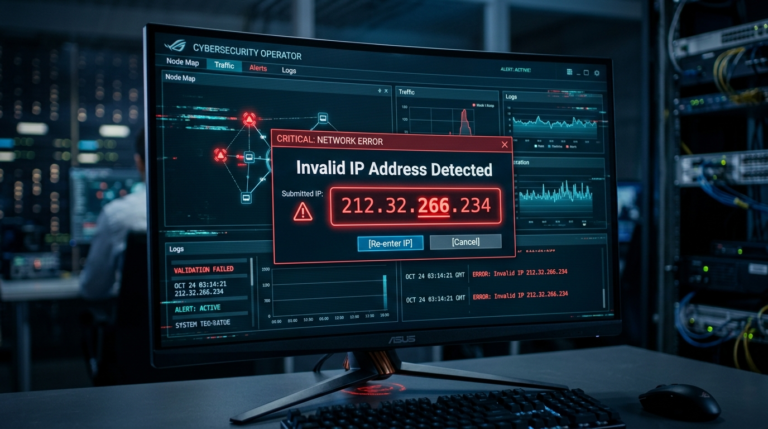
The reason 111.90.150.2404 is invalid comes down to IPv4 formatting rules. A standard IPv4 address consists of four numerical segments called octets. Each octet must contain a number between 0 and 255. In the address 111.90.150.2404, the final octet is “2404,” which is far above the maximum allowed value of 255. Because of this, networking systems immediately reject the address as invalid.
IPv4 addresses use a 32-bit structure divided into four 8-bit sections. Since 8 bits can only represent decimal values from 0 to 255, no octet can legally exceed that range. This rule is universal across routers, servers, firewalls, operating systems, DNS services, and internet infrastructure. If a user enters an invalid number like 2404, the system cannot process the address into proper binary form, making internet communication impossible.
Many invalid IP addresses result from simple human mistakes such as typing errors, copy-paste problems, or formatting confusion. Sometimes users accidentally add extra digits while entering router settings or server configurations. In other cases, software bugs or corrupted logs generate malformed addresses automatically. Certain websites and spam messages may also display invalid IPs intentionally or accidentally, causing confusion for non-technical users trying to understand internet-related issues.
Understanding IPv4 Address Structure
IPv4 addresses follow a strict format that has existed since the early development of the internet. Every IPv4 address contains four octets separated by periods. Examples include addresses such as 8.8.8.8 or 192.168.0.1. Each octet must stay within the decimal range of 0 to 255 because it represents an 8-bit binary value. If even one section violates this rule, the entire address becomes invalid and unusable.
The IPv4 system was originally designed during a period when internet-connected devices were limited compared to modern standards. Over time, the explosive growth of smartphones, computers, IoT devices, cloud services, and online platforms created pressure on available IPv4 addresses. Although techniques like NAT and subnetting extended IPv4 usability, the eventual transition toward IPv6 became necessary to support future internet growth.
Even with IPv6 expansion, IPv4 remains deeply integrated into routers, enterprise networks, home internet systems, and hosting infrastructure. Understanding IPv4 formatting is still extremely important for troubleshooting internet issues, configuring networks, managing DNS settings, and working with VPN connections. Incorrect formatting can lead to failed internet connections, server communication errors, and routing problems across both home and enterprise environments.
Common Reasons People Encounter Invalid IP Addresses
Typing mistakes are one of the most common causes of invalid IP addresses. A user attempting to enter a valid address may accidentally add extra numbers, omit dots, or rearrange digits. For example, someone meaning to type 111.90.150.204 could mistakenly type 111.90.150.2404. Even a single incorrect character can completely invalidate an address and prevent network communication.
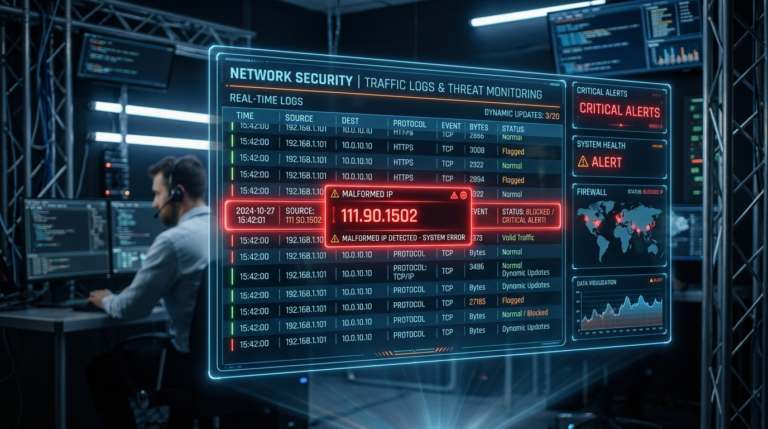
Software and logging errors also contribute to malformed IP addresses. Some poorly configured applications, outdated plugins, or corrupted databases may incorrectly record numerical data and display invalid addresses in logs or dashboards. Administrators reviewing traffic reports or firewall activity sometimes encounter malformed entries that originated from technical glitches rather than real network devices.
Cybersecurity scams and phishing attempts can also involve suspicious IP addresses. Attackers sometimes include technical-looking numbers inside fake warnings or fraudulent emails to make messages appear more legitimate. Non-technical users may panic after seeing unfamiliar numeric strings and click dangerous links without verifying the information. Understanding basic IP address rules helps users recognize suspicious activity and avoid common internet scams.
Difference Between IPv4 and IPv6 Addresses
111.90.150.2404 IPv4 and IPv6 are both systems used to identify devices on the internet, but they differ significantly in structure and capacity. IPv4 addresses use dotted decimal notation with four numerical sections, while IPv6 addresses use hexadecimal notation separated by colons. IPv6 was introduced to address the growing shortage of IPv4 addresses caused by the massive increase in internet-connected devices worldwide.
Some users mistakenly believe that addresses like 111.90.150.2404 might belong to 111.90.150.2404 IPv6 because of the unusually long final segment. However, IPv6 addresses do not use the dotted decimal format found in IPv4. Instead, IPv6 addresses look similar to 2001:0db8:85a3::8a2e:0370:7334 and often include letters alongside numbers. Therefore, 111.90.150.2404 does not conform to either valid IPv4 or valid IPv6 standards.
The transition from IPv4 to IPv6 continues gradually because many internet systems still depend on IPv4 compatibility. Routers, VPN services, websites, hosting companies, and cloud infrastructure often support both standards simultaneously. Understanding the distinction between IPv4 and IPv6 helps users troubleshoot connectivity issues more effectively and reduces confusion when encountering unfamiliar address formats online.
How IP Lookup and Geolocation Systems Work
IP lookup tools analyze public IP addresses to provide network-related information such as approximate location, ISP ownership, ASN data, timezone, and routing information. These systems use databases maintained by internet registries, service providers, and network intelligence companies. Businesses and cybersecurity professionals rely on these tools for fraud detection, traffic analysis, VPN identification, and security monitoring.
When users enter invalid addresses like 111.90.150.2404 into lookup systems, the tools typically reject the request before any analysis occurs. Most lookup services first validate the address format to ensure compliance with 111.90.150.2404 IPv4 or 111.90.150.2404 IPv6 standards. Since the final octet exceeds the permitted range, the lookup process fails immediately and no geolocation data can be generated.
Many users incorrectly assume IP addresses reveal exact physical locations. In reality, public IP geolocation systems usually provide only approximate regional information based on ISP infrastructure and routing data. VPN services, proxies, mobile carriers, and dynamic IP assignments can significantly affect accuracy. This is why IP geolocation should be viewed as an estimate rather than precise tracking technology.
Cybersecurity Risks Related to Suspicious IP Activity
Cybersecurity experts continuously monitor IP activity to detect malicious behavior, suspicious login attempts, spam campaigns, and network attacks. Invalid IP addresses sometimes appear inside phishing emails, fake alerts, fraudulent notifications, or manipulated server logs. Attackers may intentionally use confusing technical details to create urgency and pressure victims into revealing sensitive information.
Modern security systems use threat intelligence databases, IP reputation services, and firewall monitoring tools to identify dangerous traffic sources. Security teams often investigate suspicious activity by analyzing geographic inconsistencies, login patterns, and ASN ownership details associated with IP addresses. Invalid addresses are usually treated as formatting errors or suspicious anomalies because they cannot exist within official networking standards.
Users should remain cautious whenever unfamiliar IP addresses appear inside emails, login warnings, or security notifications. Legitimate companies usually provide accurate technical information, while scam messages often contain malformed addresses or inconsistent formatting. Learning the basics of IP validation helps internet users identify suspicious content more confidently and improves overall online safety awareness.
Can Invalid IP Addresses Cause Network Problems?
Invalid IP addresses can definitely create internet connectivity problems and configuration failures. If a router, firewall, DNS setting, or server configuration contains an invalid address, devices may fail to communicate properly. Users may experience website loading failures, VPN connection problems, local network issues, or application errors caused by incorrect addressing information.
In enterprise environments, even a small IP formatting mistake can disrupt cloud infrastructure, hosting services, email systems, and internal communications. Network administrators use validation tools and automated configuration systems to reduce human error and maintain reliable network operations. Incorrect subnet calculations or invalid host addresses can also cause routing conflicts and service outages.
Home users frequently encounter invalid IP issues while configuring routers, assigning static IPs, or troubleshooting internet connections. Operating systems and router interfaces usually display error messages immediately when invalid values are entered. Understanding proper IPv4 formatting rules helps users resolve these problems more quickly and improves general networking knowledge.
Best Practices for Validating 111.90.150.2404 IP Addresses
One of the best ways to avoid IP-related problems is to use trusted 111.90.150.2404 IP validation tools before saving network settings or configuring devices. Validation systems instantly check whether an address follows official 111.90.150.2404 IPv4 or 111.90.150.2404 IPv6 formatting rules. Many online lookup services also provide additional information such as ISP ownership, ASN records, reverse DNS data, and geolocation estimates.
Users should carefully double-check copied IP addresses when configuring routers, VPNs, hosting panels, DNS records, or cloud servers. Small mistakes like extra digits, missing periods, or incorrect subnet masks are surprisingly common and often lead to network failures. Accurate documentation and careful verification significantly reduce troubleshooting time and technical frustration.
It is also important to understand the privacy limitations of 111.90.150.2404 IP addresses. Public lookup tools generally cannot identify exact individuals or precise physical locations. Most systems provide only approximate information related to network infrastructure and ISP registration data. Responsible use of IP lookup services helps maintain online privacy and supports ethical cybersecurity practices.
Conclusion
The address 111.90.150.2404 is not a valid IPv4 address because the final octet exceeds the permitted range of 0 to 255. Although it resembles a normal internet address at first glance, it violates core IPv4 formatting standards and cannot function as a legitimate network identifier. Understanding why this address is invalid helps users avoid configuration mistakes, recognize suspicious activity, and troubleshoot internet-related problems more effectively.
As digital technology continues evolving, understanding IP addresses is becoming an increasingly valuable skill for both technical professionals and everyday internet users. Whether someone is configuring a home router, managing a business 111.90.150.2404 network, investigating suspicious login activity, or learning about internet infrastructure, knowledge of valid and invalid IP address formats improves digital awareness and online safety. Learning the fundamentals of IPv4, IPv6, geolocation, and IP validation provides a stronger understanding of how the internet functions behind the scenes.