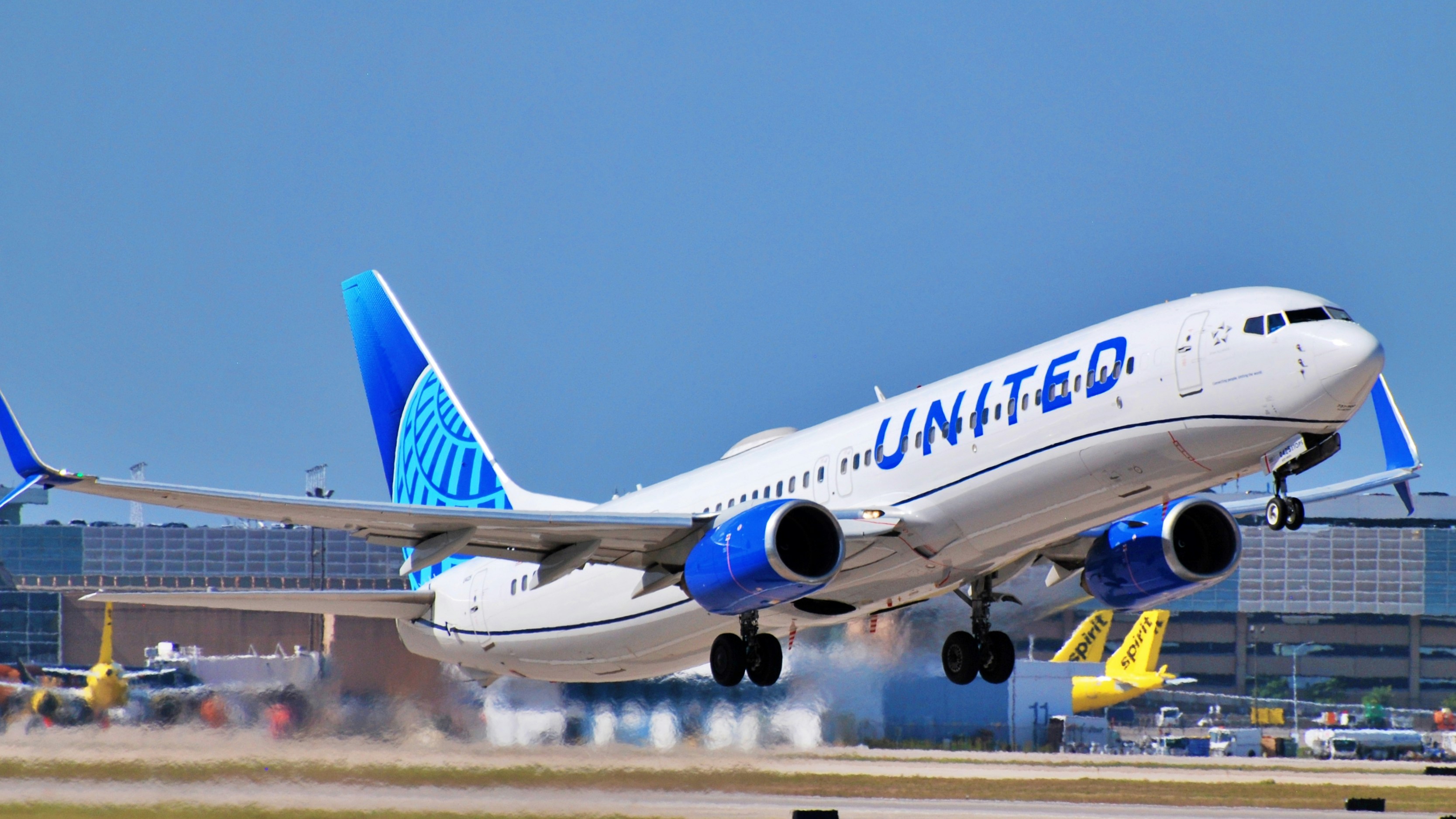
Overview of United Flight 1270
United Flight 1270 emergency is a scheduled commercial flight operated by United Airlines, connecting major cities in the United States. The flight typically embarks from a bustling hub and is anticipated to carry both passengers and cargo across a significant distance. United Flight 1270 plays a vital role in enhancing connectivity between these cities, thus contributing to the overall efficiency of domestic air travel.
The aircraft utilized for this service is the Boeing 737 united flight 1270 emergency known for its reliability and performance within the commercial aviation sector. This particular model is designed to accommodate a considerable number of passengers, with seating configured to provide both comfort and accessibility during transit. United Flight 1270 on a standard day operates with approximately 150 passengers and 6 crew members, highlighting the typical staffing necessary for smooth operation.
Additionally, the flight path of united flight 1270 emergency is meticulously planned, taking into consideration air traffic, weather conditions, and potential routes to ensure safety and timeliness. On this flight, departure occurs from a major airport and heads toward another prominent destination. The significance of this route lies in its ability to facilitate not only individual travel but also trade and business relations between regions. The operation of United Flight 1270 is a fundamental aspect of United Airlines’ efforts to maintain consistent service standards while addressing consumer demand.
Given its role in domestic travel, any united flight 1270 emergency situations that may arise, such as the united flight 1270 emergency, are of paramount concern for the airline and its operations. Understanding the context of United Flight 1270 helps to frame the discussions around its significance in the aviation industry and the implications of any incidents that may occur during the journey.
The Emergency Scenario Unfolds
The incident involving united flight 1270 emergency commenced as a routine flight, departing from its origin without any significant delays. Approximately 30 minutes into the ascent, the aircraft, a Boeing 737, began experiencing unusual vibrations, which immediately alerted the flight crew to a potential issue. As the captain and first officer consulted each other and monitored the instruments, they noted anomalies that suggested an engine malfunction.
By the 45-minute mark, as the plane was cruising at a considerable altitude, the situation escalated as warning lights on the control panel began to illuminate. The flight crew quickly initiated emergency protocols, communicating with air traffic control and preparing for potential descent. Preliminary assessments indicated that there could be a critical failure in one of the engines, leading to heightened concern among the crew.
Passengers initially remained unaware of the emerging crisis, engaged in their typical in-flight activities. However, as the flight attendants began moving through the cabin, relaying information quietly and ensuring that safety belts were fastened, apprehension started to spread. The visible change in atmosphere prompted some passengers to express worry, while others sought reassurance from the cabin crew.
united flight 1270 emergency The flight crew’s immediate challenges included maintaining control of the situation while managing passenger anxiety. The United Flight 1270 crew exemplified a calm demeanor, ensuring that important messages were communicated clearly without inciting panic. As they readied themselves for either a return to the departure airport or an emergency landing at an alternative location, they worked diligently to stabilize the aircraft. Their efforts were crucial in mitigating the emergency conditions and preventing escalating distress among those aboard.
Response and Rescue Operations
The emergency surrounding united flight 1270 emergency necessitated a coordinated and swift response involving the flight crew, air traffic control, and ground emergency services. At the onset of the incident, the flight crew promptly initiated emergency protocols designed for such unforeseen situations. This included an immediate assessment of the severity of the situation and communication with air traffic control to relay critical information about the aircraft’s status.
Air traffic control played a pivotal role in managing the situation, providing the flight crew with essential guidance and support. Their efforts included ensuring a safe and clear path for an emergency landing, which proved to be a critical factor in the effective management of the United Flight 1270 emergency. The coordination between the crew and air traffic controllers showcased the efficiency of established communication protocols, which are vital in handling in-flight crises.
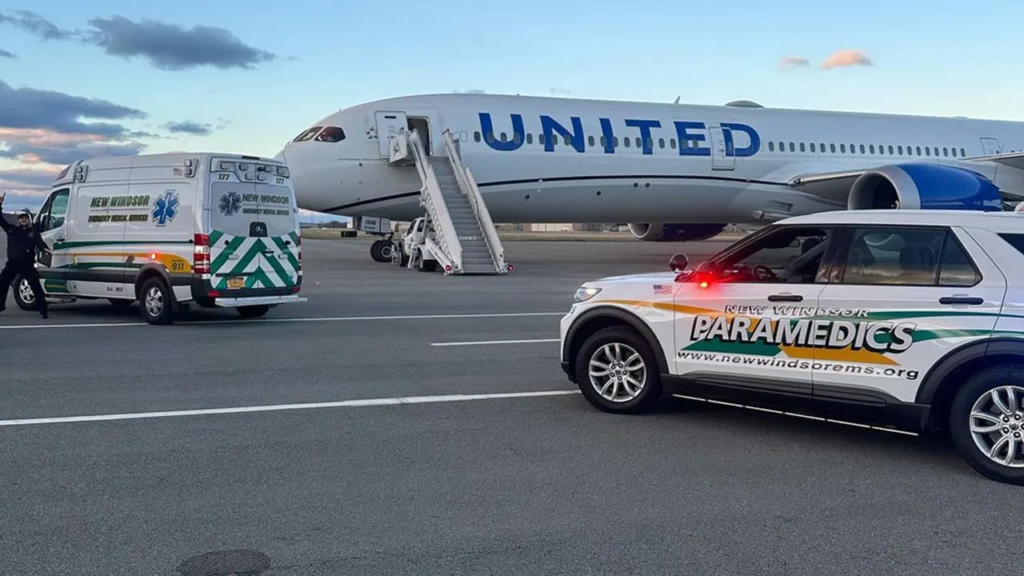
Meanwhile, on the ground, emergency services prepared to respond by mobilizing to the expected landing site. This readiness included dispatching ambulances, fire trucks, and medical personnel, all equipped to handle various potential emergencies stemming from the situation. Once the aircraft was on approach, the crew maintained constant communication with emergency responders, relaying updates about the flight status and any passenger needs.
Ultimately, the decision to execute a safe landing was made with precise timing and cooperation from all parties involved. As the aircraft touched down, the successful execution of safety measures allowed for a controlled and systematic evacuation of passengers and crew. By adhering to established protocols and maintaining effective communication channels, the situation was managed with a focus on passenger safety, allowing all onboard to exit the aircraft safely.
Lessons Learned and Implications for Aviation Safety
The emergency experienced by United Flight 1270 serves as a crucial case study in aviation safety, underscoring the need for continuous improvement in safety protocols and training. One of the primary lessons derived from the incident is the necessity of robust emergency response strategies. Effective communication between cockpit crew and ground control proved vital during the emergency, reinforcing the importance of clear protocols that allow for expeditious decision-making in crisis situations.
In evaluating the crew’s response during the United Flight 1270 emergency, it becomes evident that training must emphasize not only technical skills but also the management of high-stress scenarios. Regular simulation drills that replicate various emergency situations can enhance the crew’s preparedness, promoting quicker and more effective reactions. Furthermore, such training should involve all personnel involved in the flight, including cabin crew, to provide a unified response during actual emergencies.
Additionally, the incident highlights the need for perpetually updating safety measures and equipment. Maintenance schedules must be rigidly adhered to, with particular attention to aircraft systems that could contribute to emergencies. Employing advanced technology for monitoring flight conditions can provide earlier warnings and reliable data to inform emergency protocols.
The broader implications for passenger safety extend beyond improved protocols and training. The confidence of travelers in air transport hinges greatly on their perceptions of safety. As airlines commit to learning from instances such as the United Flight 1270 emergency, public trust can be reinforced, ultimately encouraging continued patronage of air travel. Implementing the lessons learned also allows the aviation industry to cultivate a culture of safety, which is essential for ensuring a safer flying experience for all passengers.