Introduction to 111.90.1502 and Its Digital Identity Confusion
The term 111.90.1502 is widely searched across the internet due to its unusual appearance in technical logs, network reports, and digital system records. At first glance, it looks like an IP address, but in reality, it does not fully match the structure of a valid IPv4 format. This confusion makes it an interesting subject in the field of networking, cybersecurity, and data analysis.
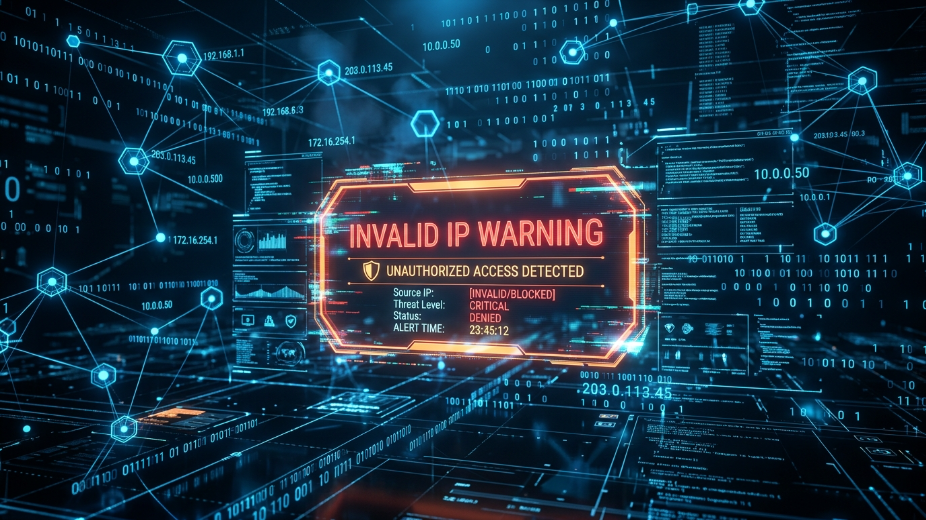
In modern digital environments, millions of IP-like strings are generated every day. Some are real network identifiers, while others are corrupted, merged, or 111.90.1502 incorrectly formatted data entries. 111.90.1502 belongs to this second category, which is why it often appears in search queries and analytical discussions. Understanding why such entries appear helps improve digital literacy and cybersecurity awareness.
Understanding the Structure of 111.90.1502 in Networking Systems
To properly analyze 111.90.1502, it is important to understand how IPv4 addressing works. A standard IPv4 address consists of four numerical blocks separated by dots, and each block must remain between 0 and 255. This ensures compatibility across global networking systems.
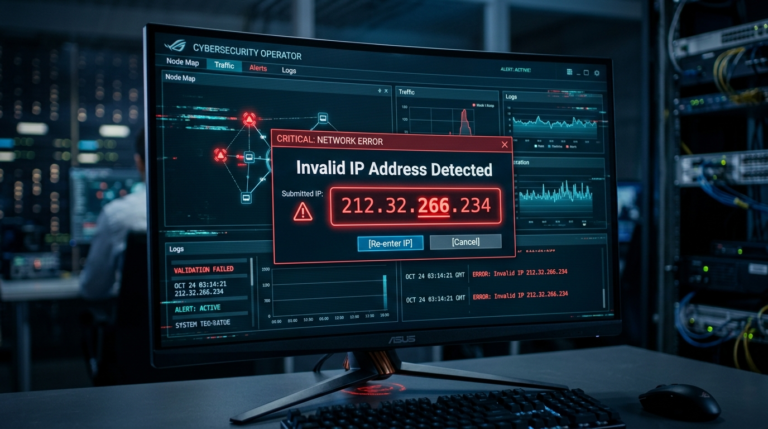
However, 111.90.1502 breaks this rule because the last segment “1502” exceeds the allowed numerical range. This immediately makes it invalid in real-world networking systems. According to networking standards used in global infrastructure, such formats cannot exist as routable IP addresses.
Despite this, similar patterns like 111.90.150.x are valid and actively used in internet infrastructure, often assigned to hosting environments and server networks. Research from IP allocation databases confirms that such ranges are part of structured hosting systems used by internet service providers and data centers for managing large-scale traffic loads .
Why 111.90.1502 Appears in Server Logs and Digital Records
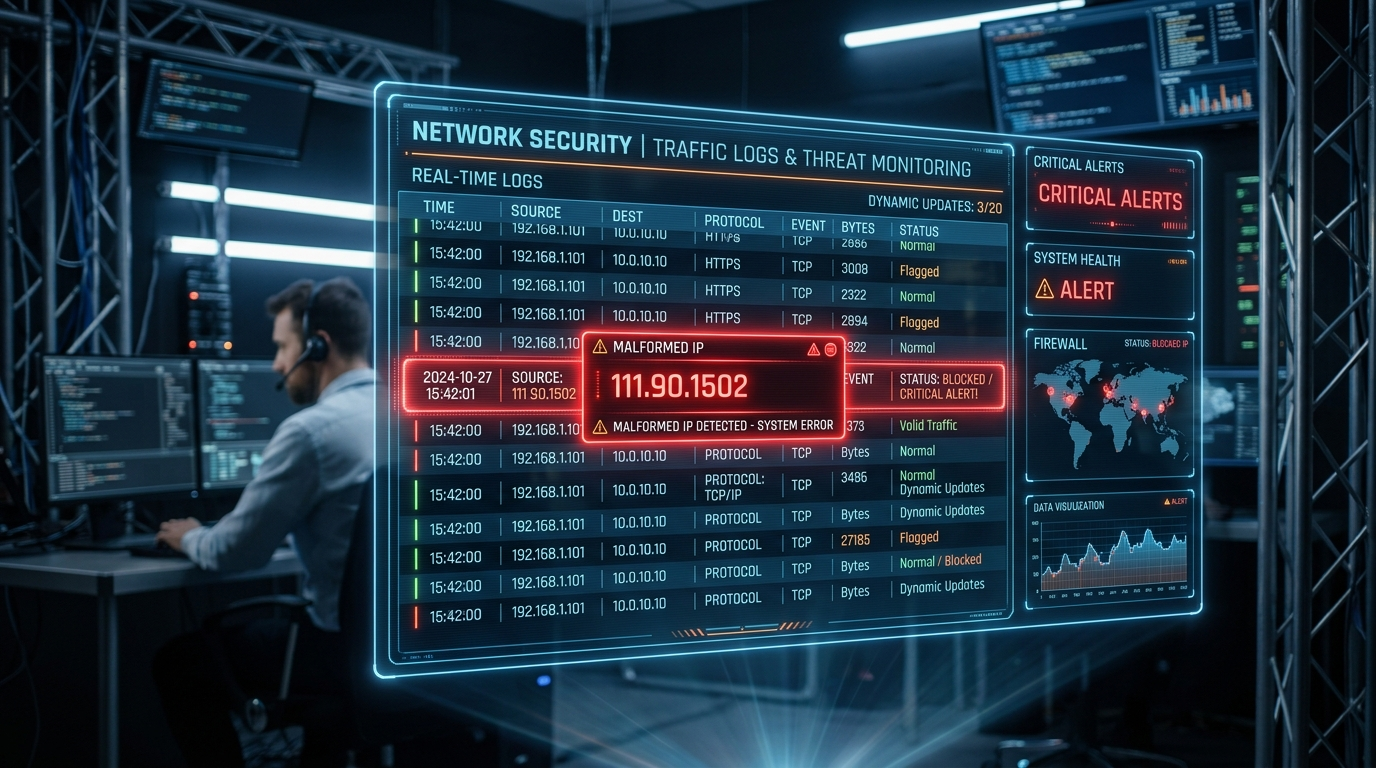
One of the most common reasons users encounter 111.90.1502 is due to system logging errors. Modern websites and applications generate massive volumes of traffic data, and even small formatting issues can produce incorrect outputs.
Another major reason is data merging and system corruption, where different datasets are combined without proper validation rules. In such cases, IP addresses may be concatenated with other numeric identifiers, resulting in malformed entries like 111.90.1502. Studies on mixed digital datasets show that such anomalies often occur when IP logs are combined with telecommunication or analytical identifiers without proper formatting control .
In cybersecurity monitoring systems, these anomalies are not unusual. Instead, they act as signals that data validation processes need improvement. While the number itself is not meaningful, its presence indicates how data flows through complex digital infrastructures.
Technical Analysis of the 111.90.150.x Network Range
Even though 111.90.1502 is invalid, its prefix 111.90.150.x is part of a real and active network range used in global internet infrastructure. This range is typically associated with hosting services and cloud-based server environments.
IP allocation systems show that this range belongs to a structured block of internet addresses used for managing server traffic and digital hosting operations. These IPs are not usually assigned to individual users but are instead part of larger enterprise or data center systems.
For example, within such ranges, different servers handle tasks like website hosting, API routing, and data processing. The presence of this structured range helps maintain stability across global internet systems and ensures efficient traffic distribution.
The Role of Data Validation in Preventing 111.90.1502 Errors
One of the most important aspects of preventing issues like 111.90.1502 is proper data validation. In modern software systems, validation ensures that only correctly formatted IP addresses enter databases or log files.
When validation is missing or poorly implemented, systems may store corrupted entries, which later appear in analytics dashboards or security tools. This creates confusion for developers and cybersecurity analysts trying to interpret system behavior.
Data validation frameworks typically enforce rules such as numeric limits, format checking, and structural verification. Without these safeguards, digital systems become vulnerable to inconsistent reporting and inaccurate analytics results.
Cybersecurity Perspective on 111.90.1502 Anomalies
From a cybersecurity perspective, entries like 111.90.1502 are not direct threats but indicators of irregular data behavior. Security tools often flag such entries because they do not conform to standard IP formatting rules.
In many cases, malformed IP-like values appear during automated scanning attempts, bot traffic, or misconfigured scripts interacting with servers. However, it is important to understand that not all anomalies indicate malicious activity.
Security analysts examine these entries in context, looking at surrounding patterns such as request frequency, source behavior, and system logs. Only when combined with suspicious activity do such anomalies become relevant for deeper investigation.
Common Misunderstandings About 111.90.1502 Online
A major reason why 111.90.1502 is widely discussed online is due to misunderstanding. Many users assume it is a real IP address or a traceable network location. In reality, it is a malformed or corrupted digital entry.
Some low-quality online content also incorrectly treats it as a legitimate identifier, which increases confusion. This leads to repeated searches and misinformation spreading across forums and blogs.
In contrast, technical analysis confirms that only properly formatted values such as 111.90.150.2 or 111.90.150.188 are valid within networking systems. Any deviation beyond these rules results in invalid classification
Importance of Clean Data in Modern Internet Infrastructure
The existence of 111.90.1502 highlights the importance of maintaining clean and structured data in modern internet systems. Clean data ensures that servers, applications, and analytics tools function correctly without misinterpretation.
In large-scale infrastructures, even small formatting errors can lead to reporting issues, misrouted logs, or incorrect analytics insights. This is why organizations invest heavily in data governance frameworks and validation pipelines.
Research in data management shows that structured validation significantly reduces system errors and improves operational reliability. It also ensures that cybersecurity monitoring systems can accurately detect real threats without being distracted by noise.
Real-World Relevance of IP Ranges Like 111.90.150.x
While 111.90.1502 is not valid, its related network range 111.90.150.x plays a real role in internet infrastructure. These IP blocks are typically assigned to hosting providers, server clusters, and cloud systems.
Such ranges support essential internet services, including website hosting, application deployment, and data routing. Without structured IP allocation systems, global internet communication would not function efficiently.
Understanding this distinction helps users differentiate between real network data and malformed entries, reducing confusion when analyzing logs or security reports.
Conclusion: What 111.90.1502 Really Represents
In conclusion, 111.90.1502 is not a valid IP address, but rather a malformed digital entry that appears due to system errors, data merging issues, or logging inconsistencies. It does not represent a real device, location, or network endpoint.
However, its frequent appearance highlights an important aspect of modern digital systems: the need for strict data validation and accurate formatting. Without these controls, even simple datasets can become confusing and misleading.
By understanding cases like 111.90.1502, users, developers, and cybersecurity professionals can improve their ability to interpret digital data correctly. It serves as a 111.90.1502 reminder that in the complex world of internet infrastructure, accuracy and structure are essential for maintaining trust, security, and operational efficiency.