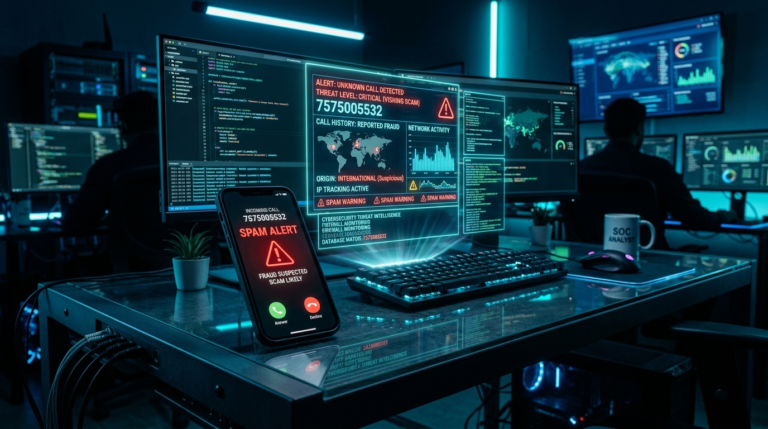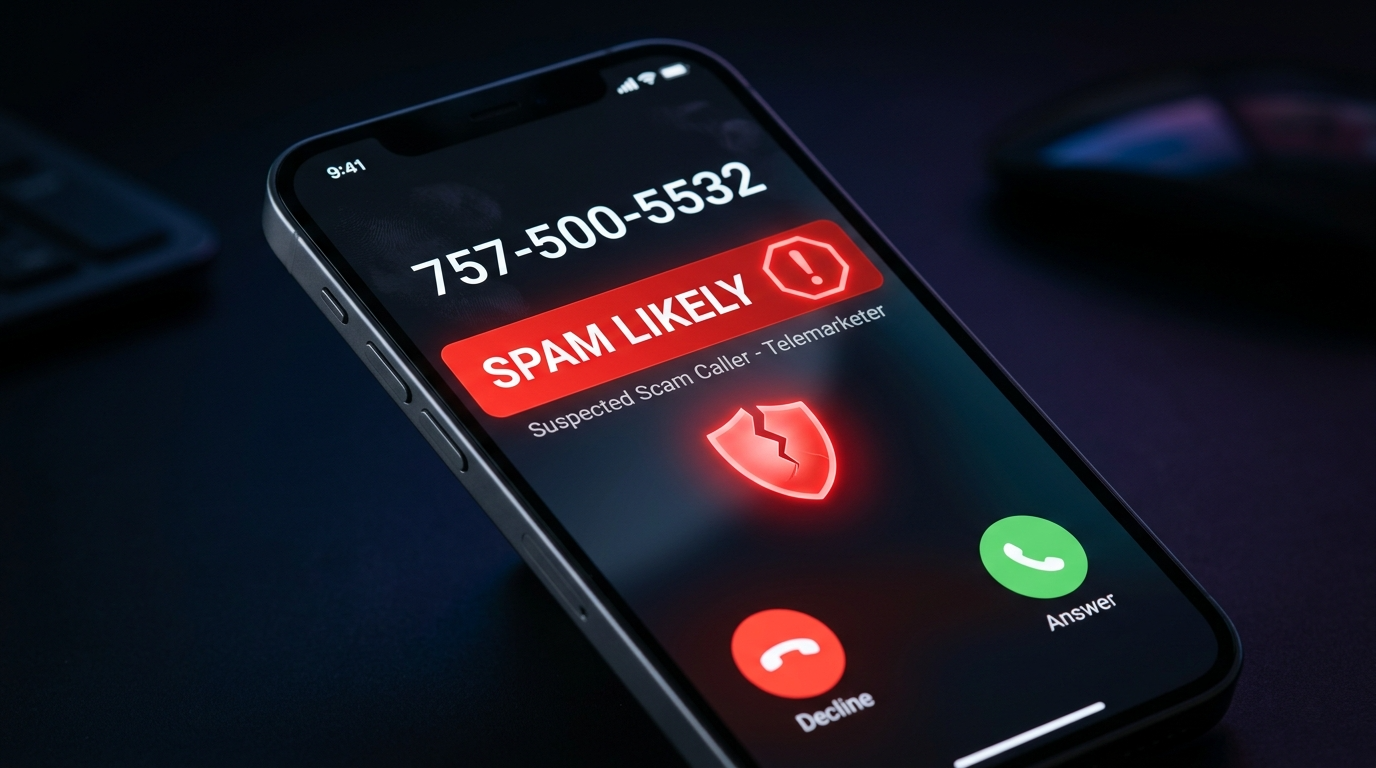
Unknown phone calls have become one of the biggest digital communication concerns in recent years, and numbers like 8332392133 are often searched online by people trying to determine whether the caller is legitimate or potentially dangerous. Consumers across the world now rely heavily on reverse phone lookup services, spam reporting platforms, and caller identification tools to investigate unfamiliar numbers before answering or returning calls. The growing popularity of searches such as “who called me,” “is this number spam,” “robocall lookup,” and “phone scam check” reflects increasing public concern about fraud, telemarketing abuse, spoofing technology, and identity theft. Modern phone scams are no longer limited to obvious fraudulent calls because scammers now use sophisticated methods that imitate real businesses, government agencies, banks, and customer support centers.
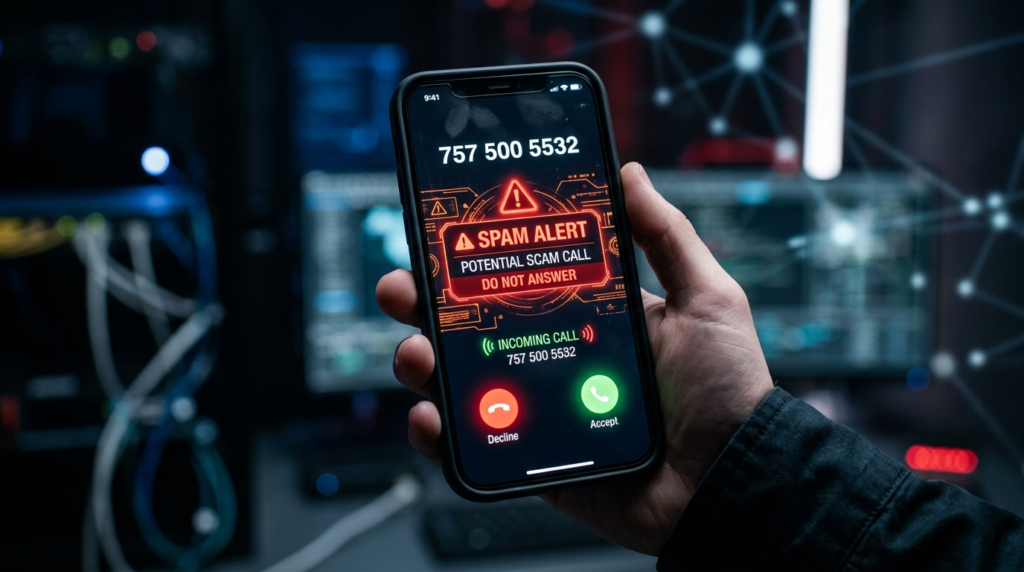
The number 8332392133 fits into a broader pattern of unknown or suspicious calls that prompt users to search online for safety information. While not every unfamiliar number is dangerous, many consumers prefer to verify a caller before interacting with them 8332392133 because scam operations have become highly organized and technologically advanced. Public spam-reporting databases, telecom security researchers, and cybersecurity communities continuously document evolving scam tactics involving robocalls, phishing attempts, silent calls, fake verification requests, and SMS fraud. Understanding how these systems work can help consumers make safer decisions and reduce the risk of financial or personal data loss.
Why 8332392133 Is Being Searched Online
People usually search for numbers like 8332392133 after receiving repeated calls, missed calls, suspicious voicemail messages, or automated recordings. In many cases, users become concerned because the caller does not leave a clear message or attempts to create urgency through vague warnings or financial claims. Unknown numbers are now frequently associated with robocall systems, 8332392133 telemarketing campaigns, and scam operations, making online verification a common practice among smartphone users. Reverse lookup searches have become an important first step before answering unfamiliar calls or sharing any information over the phone.
8332392133 The increasing popularity of spam-reporting platforms has also encouraged more people to investigate suspicious numbers online. Community-driven databases allow users to share experiences involving aggressive telemarketing, fake technical support, phishing attempts, or repeated silent calls. Because scammers often target thousands of people using automated systems, public reports can quickly reveal patterns associated with suspicious activity. This is why searches related to 8332392133 may include keywords such as “spam caller,” “robocall warning,” “unsafe number,” “caller reputation,” and “phone scam alert.”
8332392133 Unknown calls are particularly concerning because scammers frequently use psychological pressure to manipulate victims. Fraudsters may pretend to represent banks, insurance providers, government agencies, subscription services, or delivery companies. They often rely on urgency, fear, or confusion to convince people to reveal personal information or financial details. As awareness of these tactics grows, more consumers are choosing to research unknown numbers before responding to them.
Understanding Reverse Phone Lookup Services
8332392133 Reverse phone lookup systems are designed to help consumers identify unknown callers using publicly available records, community reports, telecom databases, and crowd-sourced feedback. These services collect information about suspicious calling patterns, user complaints, carrier data, and spam activity to estimate whether a number may be safe or risky. Many websites now provide free spam detection features that allow users to search unfamiliar numbers and review public reports before deciding whether to answer or block the call.
Most reverse lookup platforms rely heavily on community participation. When users receive unwanted calls, they can submit reports describing the caller’s behavior, 8332392133 the type of scam involved, or whether the number appears to belong to telemarketers or robocall systems. Over time, this information creates a public reputation score that helps other users recognize potential threats. Although these systems are helpful, they are not always perfectly accurate because scammers often spoof numbers or use temporary VoIP lines that change frequently.
8332392133 Another important factor is that legitimate businesses can sometimes be incorrectly flagged as spam. Large organizations, recruiters, healthcare providers, and customer service departments occasionally make high volumes of outgoing calls, which may trigger spam reports from consumers who do not recognize the number. Telecom researchers and online discussions have shown that some legitimate callers become mislabeled due to crowd-sourced reporting systems. This makes it important to evaluate multiple sources before assuming a number is fraudulent.
Common Warning Signs Associated With Scam Calls
8332392133 Scam calls often follow recognizable behavioral patterns that consumers should understand. One of the most common warning signs is urgency. Fraudsters frequently pressure victims into taking immediate action by claiming there is a problem involving taxes, bank accounts, package deliveries, subscriptions, or legal issues. Calls that threaten arrest, account suspension, or financial penalties are especially common in telecom fraud campaigns. Cybersecurity experts consistently advise users to remain cautious whenever unknown callers request personal or financial information.
8332392133 Another warning sign involves requests for sensitive information such as passwords, banking credentials, verification codes, or Social Security details. Legitimate organizations rarely ask for confidential data through unsolicited phone calls. Scammers may also attempt to redirect victims toward fraudulent websites or payment pages through text messages or voicemail instructions. Research into modern scam infrastructure shows that phone calls and SMS phishing are increasingly connected as part of larger fraud operations.
8332392133 Silent calls, one-ring calls, prerecorded messages, and repeated robocalls are also common indicators of suspicious activity. Some fraud systems intentionally disconnect after a short ring to encourage victims to call back. Others use automated dialing systems to identify active phone numbers that can later be targeted for scams or telemarketing. Users who answer and engage with robocalls may unintentionally confirm that their number belongs to a real person, increasing the likelihood of future spam calls.
The Role of Robocalls in Modern Telecom Fraud
8332392133 Robocalls remain one of the most widespread digital security problems affecting consumers today. Automated calling systems allow scammers and telemarketers to contact enormous numbers of people within minutes, making robocalls a highly profitable strategy for fraud operations. Telecom security researchers have documented how robocall networks continuously adapt their methods to avoid spam detection systems and government regulations. Despite industry-wide mitigation efforts, unwanted calls remain a persistent issue worldwide.
Many robocall campaigns use prerecorded voice messages that imitate customer service representatives, government officials, or financial institutions. These calls may claim there is suspicious account activity, unpaid taxes, package delivery issues, or expiring subscriptions. Victims are often instructed to press a button, call another number, or provide sensitive information. Because these systems are automated, scammers can operate at massive scale with relatively low operational costs.
Academic research into robocall behavior has also revealed how scammers adapt to modern telecom protections such as STIR/SHAKEN authentication systems. Although these frameworks were introduced to reduce caller ID spoofing, researchers found that fraud networks continue evolving their strategies to bypass verification systems. This ongoing technological battle explains why consumers still receive large volumes of suspicious calls despite improvements in telecom security infrastructure.
How Phone Number Spoofing Complicates Caller Identification
Phone number spoofing is one of the primary reasons it is difficult to identify unknown callers accurately. Spoofing allows scammers to manipulate caller ID systems so that the displayed number appears local, trustworthy, or connected to a legitimate organization. Fraudsters commonly imitate area codes familiar to their targets because people are more likely to answer calls that seem local or recognizable. This technique has become one of the most effective tools used in modern robocall campaigns.
Because spoofed numbers may belong to innocent individuals or real businesses, online reports about a number like 8332392133 may not always reflect the true identity of the caller. A legitimate person or company may unknowingly have their number spoofed during a scam campaign, resulting in complaints and spam reports from consumers. Online discussions show that even government offices, recruiters, and customer service departments sometimes discover their numbers have been falsely labeled as spam due to spoofing activity.
Spoofing technology creates major challenges for telecom providers, regulators, and cybersecurity researchers. Although telecom authentication systems can reduce certain types of fraud, scammers continuously change phone numbers, routing systems, and VoIP services to avoid detection. This makes community reporting and consumer awareness especially important when evaluating unknown calls.
Could 8332392133 Belong to a Legitimate Organization?
Not every unfamiliar number is associated with scams or illegal activity. Businesses, healthcare providers, financial institutions, customer service departments, and automated appointment systems often contact customers using unfamiliar numbers. In some cases, organizations outsource customer communication to third-party call centers, which can make legitimate calls appear suspicious to recipients who do not recognize the number. Reverse phone lookup systems exist partly to help consumers distinguish genuine business communication from potentially harmful calls.
However, consumers should remain cautious even when a caller claims to represent a known company. Scammers frequently impersonate trusted organizations to gain credibility and manipulate victims into sharing information. Caller ID alone should never be considered proof of legitimacy because spoofing technology can easily imitate official-looking numbers. The safest approach is to independently verify any claim made during the call.
If someone calling from 8332392133 claims to represent a bank, retailer, healthcare provider, or government agency, users should avoid providing sensitive details immediately. Instead, they should contact the organization directly using official phone numbers listed on company websites or account documents. Independent verification remains one of the most effective protections against impersonation scams.
What To Do If You Receive a Call From 8332392133
If you receive a call from 8332392133, the safest response is to remain calm and avoid reacting impulsively. Many cybersecurity experts recommend allowing unfamiliar calls to go to voicemail first. Legitimate callers typically leave detailed messages explaining who they are and why they contacted you. Scam callers, on the other hand, often avoid leaving clear information or use vague and urgent language designed to trigger emotional reactions.
Consumers should never share passwords, verification codes, banking credentials, or payment information during unsolicited calls. Fraudsters often attempt to create confusion or pressure victims into revealing sensitive information before they have time to verify the caller’s identity. If a caller requests confidential details, the interaction should end immediately until independent verification is completed.
Blocking suspicious numbers and reporting them through spam databases can also help protect other users. Community reporting systems improve public awareness by identifying patterns linked to robocalls, telemarketing abuse, phishing attempts, and fraudulent activity. Even if a number later turns out to be legitimate, reporting suspicious behavior helps create broader transparency around unknown callers.
The Importance of Community Spam Reporting Platforms
Community-driven reporting systems have become one of the most important tools in the fight against phone scams and robocalls. Websites that allow users to report suspicious calls provide real-time insight into evolving scam tactics, spam campaigns, and caller reputation trends. These platforms rely on collective user experiences to build public databases that help identify risky numbers more quickly than traditional enforcement systems.
Online discussions and forums also reveal how widespread robocall frustration has become. Many users describe receiving repeated calls from changing numbers, silent calls, fake package delivery notifications, and impersonation scams. Reddit communities dedicated to scams and phone security frequently discuss how scammers manipulate caller ID systems and use social engineering techniques to target victims. These conversations help educate consumers about current fraud trends and defensive strategies.
Community reporting is particularly valuable because telecom fraud evolves rapidly. Scam operations frequently change phone numbers, scripts, and impersonation tactics to avoid detection. By sharing experiences publicly, consumers help create early warning systems that improve awareness and reduce the effectiveness of scam campaigns.
How To Protect Yourself From Phone and SMS Scams
Protecting yourself from suspicious calls requires a combination of caution, awareness, and digital security habits. Consumers should avoid answering unknown calls whenever possible and should never trust unsolicited requests for sensitive information. Scammers often combine phone calls with SMS phishing messages that direct victims to fake websites, payment portals, or login pages. Research into telecom fraud has shown that social engineering remains one of the most effective techniques used by cybercriminals.
Modern smartphones include spam filtering, caller identification, and call-blocking features that can reduce unwanted communication. Third-party spam detection applications also help identify suspicious callers by analyzing community reports and telecom reputation data. Although these systems are not perfect, they significantly reduce exposure to robocalls and phishing attempts when combined with responsible digital behavior.
Users should also remain careful about where they share their phone numbers online. Publicly posting phone numbers on websites, social media platforms, online forms, or unsecured databases can increase exposure to spam campaigns and robocall systems. Cybersecurity experts recommend limiting unnecessary phone number sharing and enabling account security features such as two-factor authentication whenever possible.
Conclusion
The number 8332392133 represents the type of unfamiliar caller that many consumers investigate online before answering or returning calls. In today’s digital communication environment, reverse phone lookup services, spam-reporting communities, and telecom security tools have become essential for identifying suspicious activity and protecting personal information. While an unknown number is not automatically dangerous, caution is always necessary when dealing with unsolicited calls that request urgent action, financial details, or sensitive credentials.
Modern robocall systems, spoofing technology, and phishing scams continue evolving despite ongoing efforts by telecom providers and cybersecurity researchers. Consumers who stay informed about scam tactics, verify caller identities independently, and use 8332392133 community reporting tools are far less likely to become victims of fraud. Awareness, skepticism, and responsible digital habits remain the strongest defenses against unwanted calls, identity theft, and telecom scams in the modern world.