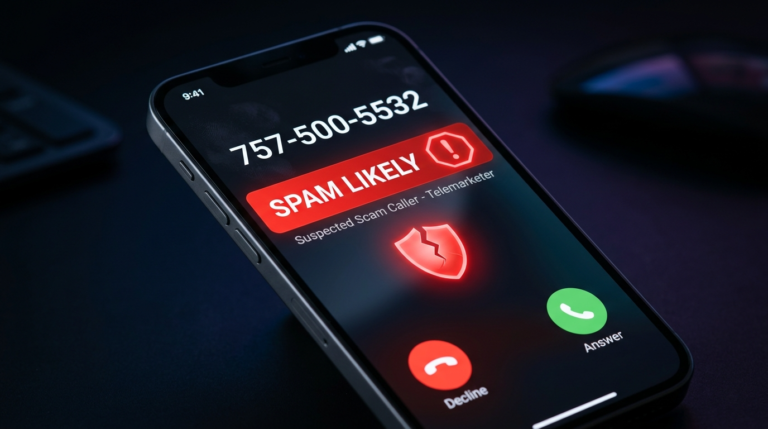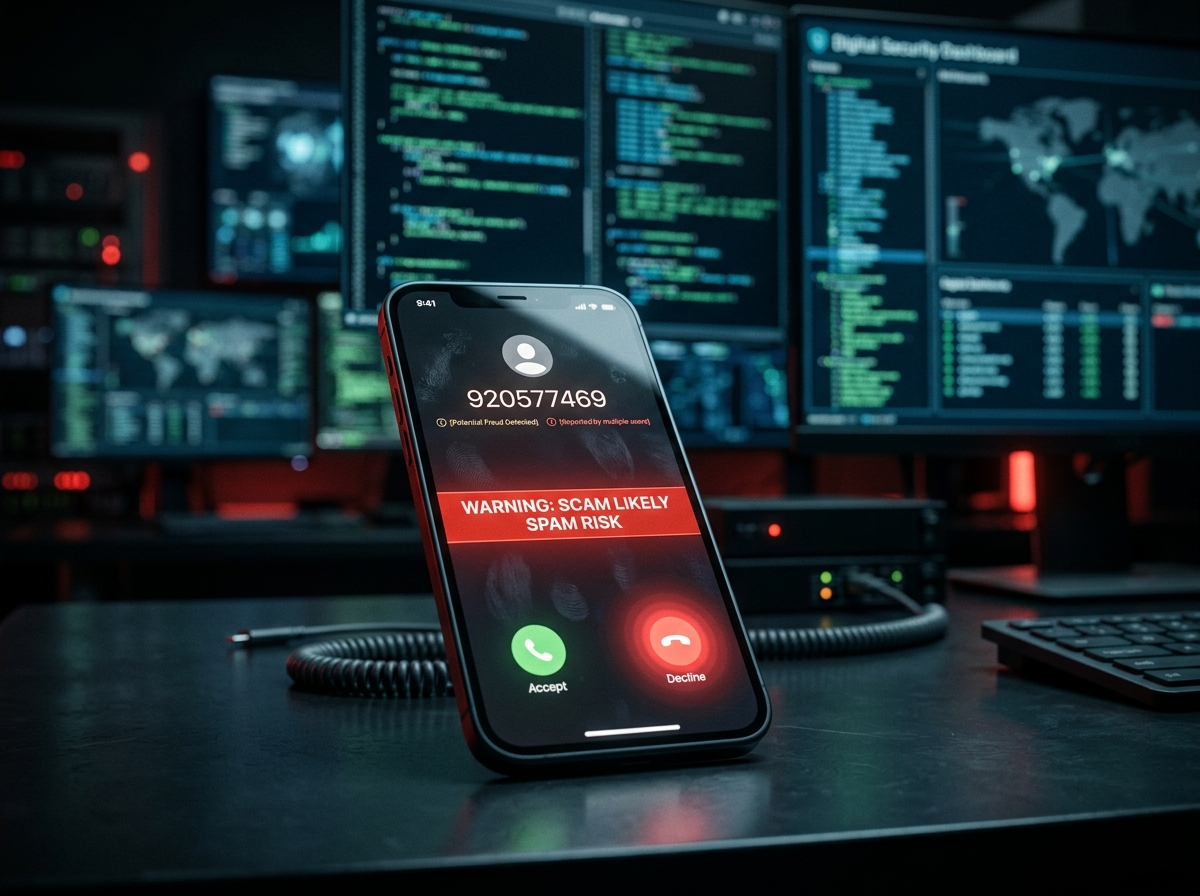
Unknown phone calls have become one of the biggest digital communication problems in the modern world. Millions of people receive suspicious calls every day from unfamiliar numbers, automated systems, telemarketers, or fraudsters attempting to collect personal information. One number that has recently generated online curiosity is 920577469. Many users search this number online after receiving missed calls, repeated contact attempts, or suspicious conversations, hoping to determine whether the caller is legitimate or potentially dangerous.
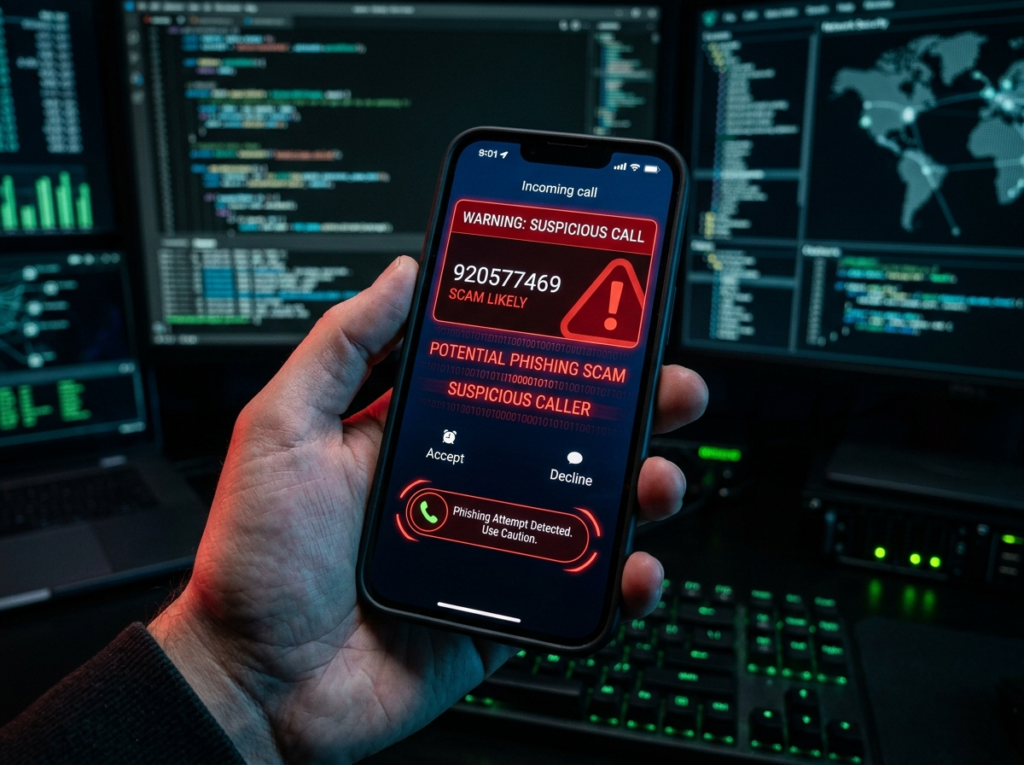
The growing number of searches related to 920577469 reflects a wider global issue involving spam calls, robocalls, phishing scams, and identity fraud. Modern scammers use advanced technology, caller ID spoofing, artificial intelligence, and psychological 920577469 manipulation to trick people into revealing sensitive information. Because of these risks, users increasingly depend on reverse phone lookup services, spam databases, and caller identification applications to verify unknown callers before answering or calling back.
920577469 Digital communication has made life more convenient, but it has also created new opportunities for cybercriminals. Fraudsters now use fake phone numbers to impersonate banks, telecom companies, delivery services, technical support teams, and even government agencies. Many scam operations are highly organized and target thousands of people every day using automated systems. Understanding how numbers like 920577469 may fit into this environment is important for maintaining digital safety and protecting personal information.
Why People Search for 920577469 Online
People usually search unknown numbers online when they receive repeated calls or suspicious messages without clear identification. In the case of 920577469, users appear interested in finding out whether the number belongs to a real business, a spam caller, or a scam operation. 920577469 The absence of publicly verified ownership details often increases suspicion because legitimate callers generally provide identifiable information or leave meaningful voicemail messages.
Online reverse phone lookup searches have become extremely common in recent years. Instead of immediately returning missed calls, people now investigate unfamiliar numbers through community-driven platforms and caller identification tools. Websites dedicated to spam detection allow users to share experiences, report suspicious activity, and warn others about telemarketing campaigns or fraudulent callers. These databases continue growing because millions of people contribute reports every month.
Another reason users search for 920577469 is the widespread problem of 920577469 caller ID spoofing. Modern scammers can disguise their real phone numbers and display fake local numbers to increase the likelihood that people will answer the call. This technique makes suspicious numbers appear more trustworthy, even though the displayed caller ID may not represent the actual source of the call.
Many people also become concerned when unknown callers repeatedly contact them without explanation. Persistent calling behavior is commonly associated with telemarketing systems, robocall campaigns, debt collection scams, and phishing attempts. In online discussions, users frequently report anxiety and confusion caused by repeated unknown calls, especially when no legitimate reason for contact exists.
Understanding Spam Calls and Robocall Technology
920577469 Spam calls are typically unwanted calls made for advertising, promotional, or fraudulent purposes. Many of these calls are generated through automated robocall systems capable of dialing thousands of numbers every hour. Some calls play recorded messages, while others connect recipients to live agents attempting to collect information or sell services.
Robocall technology has evolved significantly because internet-based phone systems have reduced operating costs for mass calling campaigns. Fraudsters can now launch large-scale spam operations using inexpensive software and temporary phone numbers. Automated systems often scan for active phone numbers by checking whether recipients answer or interact with calls. Once a number is confirmed as active, it may be targeted more frequently in the future.
Some robocall systems disconnect immediately after the recipient answers. This behavior often confuses users, but it may serve a technical purpose for spam networks attempting to verify active phone lines. In other cases, automated recordings instruct users to press buttons or speak with an operator, creating opportunities for phishing or financial fraud.
920577469 Spam call technology also relies heavily on data collection. Cybercriminals frequently purchase leaked phone numbers from data breaches, marketing databases, or unauthorized sources. Once a phone number enters these systems, users may begin receiving repeated calls from unrelated scam campaigns. This explains why some individuals suddenly experience dramatic increases in spam activity without any obvious cause.
Common Scam Tactics Linked to Unknown Numbers
Phone scammers use psychological manipulation to create urgency, fear, and confusion during calls. Many fraudulent callers pretend to represent trusted organizations such as banks, government agencies, telecom providers, or technical support companies. Their goal is usually to pressure victims into sharing sensitive information or making payments before verifying the legitimacy of the call.
One common scam tactic involves fake account warnings. The caller may claim that suspicious activity has been detected on a bank account, credit card, or online profile. Victims are then asked to confirm personal information, share verification codes, or authorize payments. Another common method involves fake technical support calls where scammers convince victims to install remote access software on their devices.
Some scam calls rely on emotional manipulation. Fraudsters may pretend that a family member is in danger, involved in an accident, or facing legal trouble. Panic and emotional stress can cause victims to act quickly without thinking critically. Experts consistently warn users to remain calm and independently verify any claims made during unexpected calls.
920577469 Caller ID spoofing makes these scams even more dangerous because fake numbers can appear local or familiar. In some cases, scammers even imitate official business numbers. This creates a false sense of trust that increases the likelihood of successful fraud attempts. Because of these risks, cybersecurity experts recommend treating all unsolicited calls with caution, regardless of how legitimate they initially appear.
Reverse Phone Lookup and Caller Identification Services
Reverse phone lookup services have become valuable tools for identifying suspicious callers. These platforms allow users to search unknown numbers and review available information such as community reports, spam ratings, carrier details, and caller reputation. 920577469 Many services operate using crowdsourced databases where users share experiences about telemarketers, robocalls, and fraudulent activity.
Applications like caller ID apps can automatically screen incoming calls and label suspected spam numbers before users answer. These systems rely on large databases containing millions of reported numbers collected from global communities. Machine learning and behavioral analysis also help improve spam detection by identifying suspicious calling patterns.
Although reverse lookup services are useful, they are not perfect. Some legitimate businesses may be incorrectly flagged due to false reports, 920577469 while sophisticated scammers frequently change numbers to avoid detection. Temporary virtual numbers and spoofing technologies also make accurate identification more difficult.
Privacy is another important consideration when using reverse lookup platforms. Some services collect personal data or public information to generate caller profiles. Users should therefore choose trusted and transparent platforms when researching unknown numbers. Reliable caller identification systems can significantly reduce risk, but users should still rely on independent judgment and cautious behavior.
Warning Signs That a Call May Be Suspicious
Several warning signs may indicate that calls from numbers like 920577469 could be suspicious. One of the most common signs is repeated calling without leaving a voicemail. Legitimate callers generally provide clear reasons for contact, while spam systems often rely on repeated missed calls to encourage callbacks.
Aggressive or urgent language during calls is another major warning sign. Scammers frequently pressure people into immediate action by claiming that accounts are compromised, payments are overdue, or legal consequences are imminent. Legitimate organizations rarely demand sensitive information or financial action through unexpected phone calls.
920577469 Silent calls, automated recordings, and disconnected calls are also strongly associated with robocall campaigns. Some systems play background music or recorded voices designed to keep recipients on the line until a live operator becomes available. Online discussions show that many users experience strange calls involving silence, random audio, or pre-recorded messages.
920577469 Another warning sign involves requests for personal information. Legitimate banks, government offices, and online services generally avoid requesting passwords, one-time verification codes, or sensitive identity details during unsolicited calls. Users should immediately become cautious if callers request confidential information or attempt to verify financial accounts.
Inconsistent information is also common in scam calls. Fraudsters may provide vague explanations, avoid answering questions directly, or become hostile when challenged. If a caller refuses independent verification or pressures the recipient to act quickly, the safest response is usually to end the conversation and verify the claim through official channels.
The Psychology Behind Phone Scams
920577469 Phone scams are successful because they exploit human emotions and behavioral patterns. Fear, curiosity, urgency, and trust are powerful psychological triggers that scammers use to manipulate victims. Even highly educated individuals can become vulnerable when placed under emotional pressure or confusion.
920577469 Authority impersonation is one of the most effective scam techniques. Fraudsters often pretend to represent banks, police departments, tax authorities, or technical support teams because people naturally trust official-sounding organizations. Some scammers use professional language, background office noises, and scripted conversations to appear more convincing.
Research into cybercrime shows that scammers increasingly combine phone calls with phishing emails, fake websites, and messaging apps. Victims may first receive suspicious text messages or emails before receiving a follow-up call designed to reinforce credibility. This multi-channel approach creates a more believable scam environment.
Persistence also plays a major role in scam success. Repeated calls increase the chances that recipients will eventually answer out of frustration or curiosity. Online communities regularly discuss experiences involving constant unknown calls, silent connections, or automated systems attempting to confirm active phone numbers.
920577469 Modern scammers also take advantage of artificial intelligence and voice cloning technologies. Security experts increasingly warn users about AI-generated voices that can imitate real people or create convincing automated conversations. This growing technological sophistication makes public awareness more important than ever.
How to Protect Yourself From Unknown Numbers
The most effective defense against suspicious calls is caution. Users should avoid answering unfamiliar numbers unless expecting important communication. If a call is legitimate, the caller will usually leave a voicemail or provide another method of contact.
People should never share passwords, verification codes, banking information, CNIC numbers, or remote access permissions during unsolicited calls. Even if the caller claims to represent a trusted organization, independent verification is essential. The safest approach is to end the call and contact the organization directly using official contact information from its website or app.
Modern smartphones include useful security features such as spam filtering, call blocking, and caller identification systems. Many telecom providers also offer spam protection services that automatically label suspected robocalls or scam numbers. These tools reduce exposure to unwanted calls, although no system provides complete protection against spoofed numbers.
Users should also avoid calling suspicious numbers back immediately. Some scam operations use callback fraud schemes that charge expensive international rates or confirm that a number is active. Reporting suspicious numbers to spam databases and caller identification services helps improve community protection and warning systems.
Public awareness remains one of the strongest defenses against phone scams. Educated users are less likely to panic, respond emotionally, or trust suspicious callers. Understanding common fraud tactics makes it easier to recognize manipulation attempts before becoming a victim.
The Global Rise of Phone-Based Fraud
Phone scams have become a major international cybersecurity problem affecting millions of people each year. Internet-based calling systems allow criminals to operate large-scale fraud campaigns across multiple countries at minimal cost. Automated dialing software, virtual phone numbers, and spoofing technology have made mass scam operations easier than ever before.
Researchers studying telecommunications fraud found that modern scam campaigns frequently combine voice calls with phishing websites, social media manipulation, and messaging apps. Attackers use cross-platform strategies to appear more legitimate and increase the effectiveness of their scams. Victims may encounter fake customer support messages online before receiving phone calls that reinforce the deception.
The financial consequences of phone scams are enormous. Victims lose billions of dollars globally through fake investments, banking fraud, technical support scams, and identity theft. Emotional damage is also significant because scam victims often experience embarrassment, stress, and anxiety after being deceived.
Governments and telecom companies continue developing technologies to combat fraudulent calls. AI-powered spam detection systems, authentication protocols, and advanced filtering technologies aim to reduce scam activity. However, cybersecurity experts agree that technical solutions alone are not enough because scammers constantly adapt their methods to bypass defenses.
The growing sophistication of scam operations means that users must remain vigilant even as security technologies improve. Awareness, skepticism, and responsible digital habits continue playing essential roles in reducing fraud risks.
What You Should Do if 920577469 Calls You
If you receive calls from 920577469, the safest approach is to remain cautious and avoid sharing any personal information. Ignoring the call initially is often the best option, especially if no voicemail or clear identification is provided. Legitimate callers generally explain their purpose clearly rather than relying on repeated unknown calls.
If you answer the call, avoid confirming sensitive details such as your full name, banking information, passwords, or verification codes. Even simple interactions may confirm that your number is active, increasing the likelihood of future spam activity. Experts often recommend limiting conversation with suspicious callers and ending the call if anything feels unusual.
Blocking the number is another effective step if calls become persistent. Most smartphones allow users to block numbers directly through call settings. Reporting the number to caller identification services and spam databases can also help warn other users and improve detection systems.
People concerned about possible fraud should monitor their financial accounts, online profiles, and mobile security settings regularly. If suspicious activity occurs after interacting with unknown callers, users should contact banks, telecom providers, or cybersecurity authorities immediately.
Remaining calm and skeptical is extremely important when dealing with unknown calls. Most legitimate organizations provide alternative communication methods and will not pressure users into immediate action. Trusting instincts and verifying claims independently are among the best ways to stay safe from phone-based fraud.
Conclusion
The number 920577469 highlights the growing challenge of identifying unknown callers in an era dominated by spam calls, robocalls, phishing attacks, and digital fraud. Although publicly verified ownership information about the number remains limited, the increasing online interest surrounding it reflects broader concerns about communication security and personal privacy.
Modern scammers use advanced tactics including caller ID spoofing, automated dialing systems, emotional manipulation, and artificial intelligence to target victims. Because of these evolving threats, reverse phone lookup tools, caller identification apps, and spam reporting platforms have become essential resources for users trying to protect themselves from suspicious calls.
The most effective defense against unknown numbers is caution combined with awareness. Users should avoid sharing personal information with unsolicited callers, independently verify suspicious claims, and use available security tools to reduce exposure to fraud. Reporting suspicious activity also helps strengthen community-driven protection systems and supports broader efforts to combat phone scams.
As digital communication continues evolving, scam tactics will likely become even more sophisticated. However, informed users who remain skeptical of unexpected calls and prioritize cybersecurity awareness are far less likely to become victims. Understanding 920577469 how unknown numbers operate and recognizing common warning signs can significantly improve personal safety in today’s increasingly connected world.