Introduction to 111.90.150.284 and Its Digital Context
The number 111.90.150.284 appears to be an Internet Protocol (IP) address, a fundamental component of how devices communicate across the internet. Every time you browse a website, send an email, or stream content, IP addresses work silently in the background to route data between servers and devices. However, not every sequence that looks like an IP address is actually valid or usable in real networking systems.
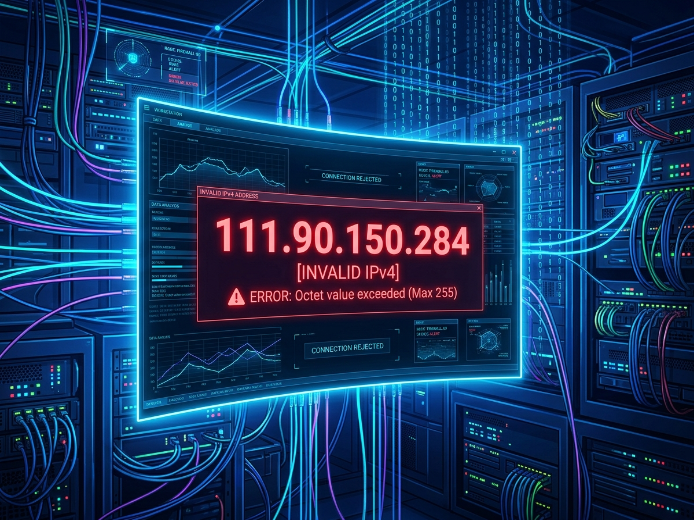
In the case of 111.90.150.284, it follows the familiar IPv4 format but contains a critical structural issue. This makes it a perfect example for understanding how IP validation 111.90.150.284 works, why formatting rules exist, and how even small numerical errors can break digital communication systems. Modern networking depends heavily on accuracy, and IP addresses are one of the most strictly regulated identifiers in computing.
Understanding this IP also helps reveal broader concepts such as IPv4 architecture, network communication principles, and the importance of validation in cybersecurity and system design.
The Technical Structure Behind 111.90.150.284
To understand this IP-like value, we must first break down how IPv4 addresses are structured. IPv4 uses a 32-bit system divided into four numerical sections called octets. Each octet is separated by a dot and must fall within the range of 0 to 255. This range is not arbitrary—it is defined by binary limitations in networking systems.
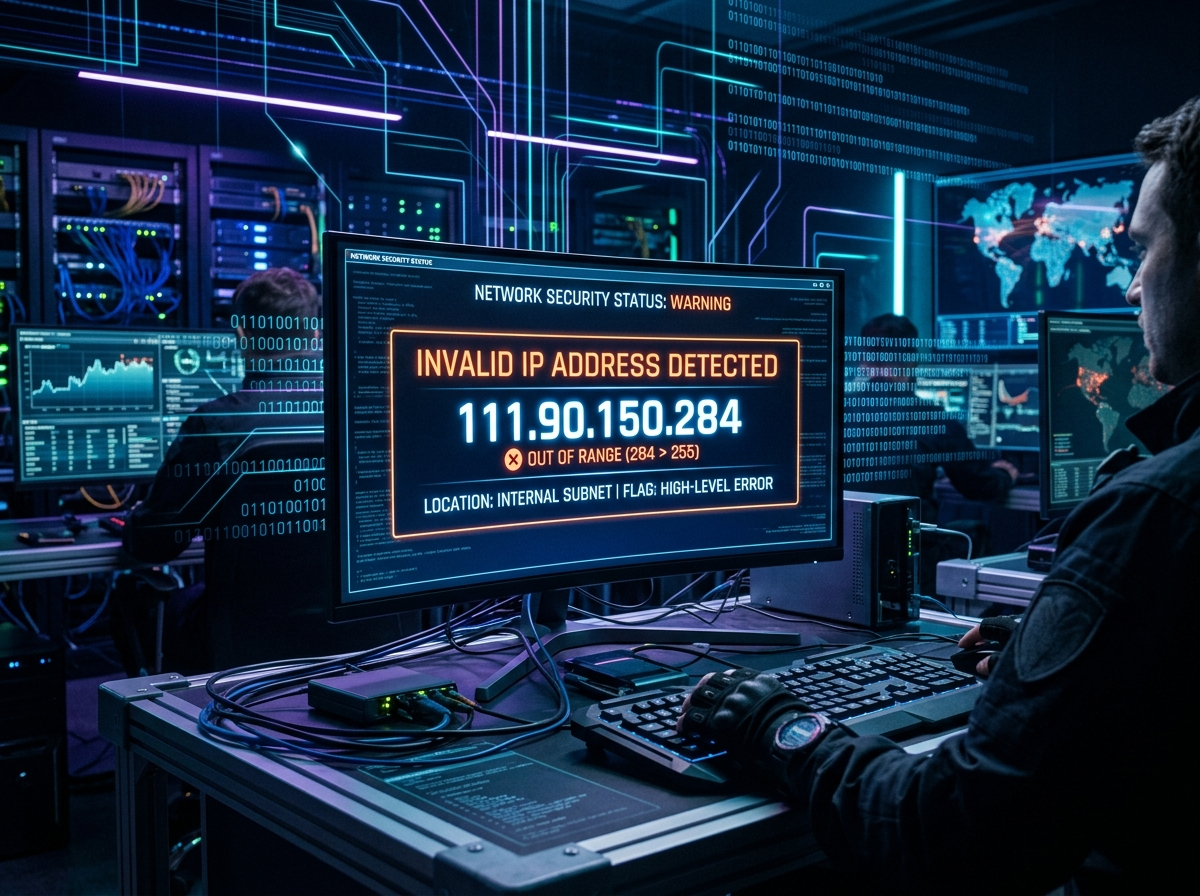
When examining 111.90.150.284, the first three segments (111, 90, and 150) are valid within the IPv4 system. However, the final segment “284” exceeds the maximum allowable limit of 255. This immediately disqualifies the entire sequence from being a valid IP address. Even if three parts are correct, a single invalid octet breaks the entire structure.
According to IP formatting rules, any address must strictly follow these boundaries to function in routing systems. This is why 111.90.150.284 cannot exist in real-world networking environments or be assigned to any device.
Why 111.90.150.284 Is Not a Valid IP Address
The main reason 111.90.150.284 is invalid lies in IPv4 validation rules. In IPv4 addressing, each octet must represent a number between 0 and 255. This limitation exists because each octet represents 8 bits of binary data, and 8-bit numbers can only produce values up to 255.
Since the value “284” exceeds this binary range, the system rejects it instantly. It cannot be assigned, routed, or recognized by any network infrastructure. This is not just a theoretical rule—it is enforced by operating systems, routers, firewalls, and web servers.
Research on IP validation confirms that invalid addresses like this fall into the “Neither IPv4 nor IPv6” category, meaning they are completely unusable in networking contexts . This strict validation ensures that only properly formatted addresses participate in internet communication.
How Invalid IPs Like 111.90.150.284 Occur in Real Systems
Even though 111.90.150.284 is invalid, such formats frequently appear in logs, software outputs, or user inputs. One of the most common reasons is human typing error. A single extra digit can turn a valid IP into an invalid one instantly.
Another common cause is faulty software generation. Some programs produce IP-like values without proper validation checks, especially in test environments or poorly designed scripts. This can lead to unrealistic numbers being logged or displayed.
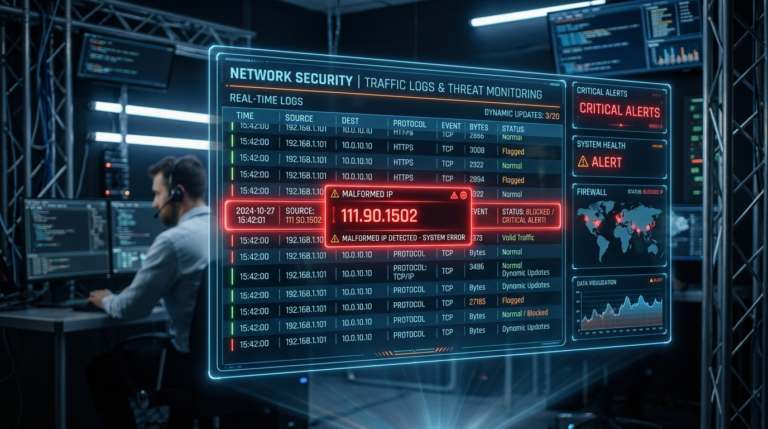
In cybersecurity systems, invalid IPs may also appear in corrupted logs or misconfigured network tools. While harmless in most cases, they can confuse analysis systems if not filtered properly. This is why validation mechanisms are essential in modern software design.
The Role of IP Addresses in Internet Communication Systems
IP addresses are the backbone of global internet communication. Every device connected to the internet—whether a smartphone, server, or computer—relies on IP addresses to send and receive data. Without them, the internet would not be able to function.
When you access a website, your device sends a request using an IP address, and the server responds using another IP address. Routers act as intermediaries, directing data packets to their correct destinations based on these numerical identifiers. This entire process happens in milliseconds.
The importance of correct IP formatting becomes clear when we consider cases like 111.90.150.284. If a system attempts to process an invalid address, the communication fails immediately, preventing data transfer and causing errors in connectivity.
IPv4 Limitations and the Importance of Strict Formatting
IPv4, the system behind 111.90.150.284, has a fundamental limitation: it supports only around 4.3 billion unique addresses. Each address must fit within the strict 0–255 range for each octet. This limitation is one of the reasons the internet eventually moved toward IPv6.
Because of these constraints, even small formatting mistakes result in invalid addresses. The system is intentionally strict to avoid overlap, duplication, and routing conflicts. Without these rules, the internet would become unstable and unreliable.
Studies of IPv4 architecture show that its design was never intended for today’s massive global internet scale, which is why strict validation remains essential even decades after its creation .
Comparison With Valid IP Address Examples and Behavior
A valid IP address follows the same structure as 111.90.150.284 but respects the 0–255 rule for each segment. For example, an address like 111.90.150.200 would be considered valid and could be assigned to a real device.
In contrast, 111.90.150.284 fails validation immediately because one segment violates the rule. Systems that check IP addresses automatically reject it before any network communication begins. This ensures stability in routing systems and prevents misdirected traffic.
This comparison highlights how sensitive IP systems are to precision. Even one incorrect digit can completely change whether a digital identity exists or not.
Security and System Risks of Invalid IP Formats
While 111.90.150.284 itself is harmless, invalid IP addresses can sometimes indicate deeper system issues. In poorly secured applications, missing validation can allow malformed input to enter logs or databases, leading to confusion or security blind spots.
Cybersecurity systems rely heavily on accurate IP tracking to identify threats, block malicious traffic, and analyze network behavior. If invalid IPs are not filtered correctly, they can distort analytics or hide real attack patterns.
Additionally, attackers sometimes exploit weak validation systems by injecting fake or malformed data. This is why strict IP validation is considered a core security practice in modern software engineering.
Real-World Importance of Understanding IP Validation
Understanding why 111.90.150.284 is invalid is not just theoretical—it has practical importance in IT, networking, and cybersecurity. Professionals working with servers, routers, and web applications frequently encounter IP validation issues during configuration and debugging.
Incorrect IP entries can lead to network failures, connection errors, or misrouted traffic. That is why developers implement strict validation rules in applications that accept user input, ensuring only properly formatted IP addresses are processed.
From a broader perspective, IP validation also plays a key role in maintaining the stability of global internet infrastructure. Without it, digital communication systems would become unreliable and chaotic.
Conclusion: What 111.90.150.284 Teaches About Networking Systems
The sequence 111.90.150.284 may appear to be a normal IP address, but it is actually invalid due to a violation of IPv4 formatting rules. This simple example highlights the importance of structure, precision, and validation in digital communication systems.
By analyzing this IP, we learn how IPv4 addressing works, why each octet has strict limitations, and how even minor errors can disrupt network 111.90.150.284 functionality. It also reinforces the importance of validation in cybersecurity and software development.