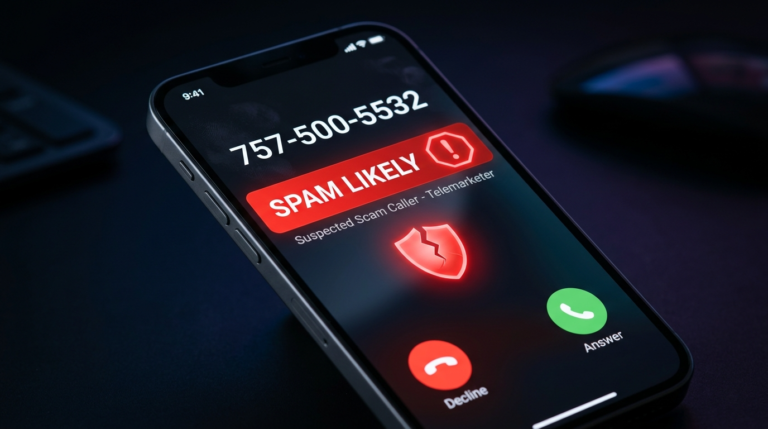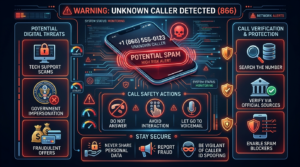
In today’s digital world, unknown phone calls have become a normal part of everyday life. Millions of people receive calls from unfamiliar numbers every week, and many immediately search online to understand whether the caller is legitimate or potentially dangerous. One number that has generated curiosity and online lookup activity is 7575005532. People who receive repeated missed calls, silent calls, or suspicious messages from this number often search for details to determine whether it is connected to telemarketing, robocalls, spoofing, or scam-related activity.
The increasing popularity of reverse phone lookup searches shows how concerned people have become about privacy and phone security. Unknown callers are no longer viewed as harmless interruptions. Many users now worry about fraud, identity theft, phishing 7575005532 attempts, fake customer support scams, and automated robocall systems. Because of this growing awareness, numbers such as 7575005532 are frequently discussed on spam-reporting platforms, caller identification databases, and online communities focused on scam prevention.
Modern scam prevention experts recommend investigating unfamiliar phone numbers before calling back or sharing any information. Many spam-detection websites explain that suspicious callers often attempt to create urgency, pressure users emotionally, 7575005532 or trick them into revealing sensitive details. Research into robocall and spam systems also shows that scammers regularly use rotating or spoofed numbers to avoid detection and continue targeting users across different regions.
Why People Search for 7575005532
When someone receives a missed call from 7575005532, their first reaction is usually curiosity mixed with caution. People want to know whether the number belongs to a real business, an automated system, a telemarketing company, or a scam operation. Because spam calls have increased significantly over the past decade, users are now more likely to search online before returning calls from unknown numbers.
7575005532 Reverse phone lookup platforms have become extremely popular because they allow users to see community feedback and public reports connected to suspicious numbers. Many websites collect information from people who describe robocalls, phishing attempts, silent calls, fake offers, or repeated harassment. These public reports help other users understand whether a number may pose a risk. Websites dedicated to spam number detection explain that community reporting is one of the most effective ways to identify suspicious calling patterns quickly.
7575005532 Another reason people investigate numbers like 7575005532 is the rise of spoofed caller IDs. Scammers can manipulate caller information so that the displayed number appears local or trustworthy. This makes users more likely to answer the call. Because spoofing technology is widely used in robocall campaigns, even normal-looking numbers can become associated with spam complaints and suspicious activity.
Understanding How Robocalls Operate
7575005532 Robocalls are automated phone calls generated through computer-controlled dialing systems. These systems can place thousands of calls within minutes and are often used for telemarketing campaigns, political outreach, promotional offers, and fraudulent schemes. Some robocalls deliver prerecorded messages, while others connect users to live agents after detecting that a human answered the phone.
7575005532 Research and online community discussions show that many robocall systems track user behavior carefully. If a person answers frequently, interacts with automated prompts, or calls back unknown numbers, the system may classify the number as active. Once identified as active, the phone number may receive additional spam calls in the future because scammers exchange and sell lists of responsive phone numbers.
Modern robocall systems also use artificial intelligence and advanced dialing software to improve targeting. Some scam campaigns imitate banks, courier services, government agencies, healthcare providers, or technical support companies. Their primary goal is often to create panic or urgency so that users react emotionally rather than carefully analyzing the situation.
Common Scam Tactics Connected to Unknown Numbers
Phone scammers rely heavily on psychological manipulation. Many calls from suspicious numbers attempt to create fear, excitement, or urgency in order to pressure victims into immediate action. A caller may pretend to represent a bank, claim that an account has been compromised, or warn about fake legal consequences. Others may promise lottery winnings, investment opportunities, or refunds that require verification.
One of the most dangerous scam techniques involves requesting one-time passwords or account verification codes. Fraudsters often pretend they are helping secure an account while actually attempting to gain unauthorized access. Cybersecurity specialists repeatedly warn users never to share authentication codes with unverified callers under any circumstances.
Some unknown calls are less harmful but still disruptive. Telemarketing operations often use aggressive automated systems that repeatedly contact users without permission. Even if the calls are not directly fraudulent, repeated unwanted communication can create frustration and expose users to future scam risks. Many spam-reporting websites explain that suspicious numbers frequently change identities or rotate through different caller IDs to avoid being blocked.
The Growing Importance of Reverse Phone Lookup Services
Reverse phone lookup tools have become an important part of online safety. These services help users identify unknown callers by combining public reports, spam complaints, caller reputation data, and community feedback. When people search numbers such as 7575005532, they often hope to find evidence showing whether others experienced suspicious behavior from the same caller.
Most reverse lookup databases depend heavily on crowdsourced information. Users describe their experiences, including silent calls, threatening messages, automated recordings, fake offers, and phishing attempts. Over time, patterns begin to emerge, helping other users make safer decisions when dealing with unfamiliar numbers. Several caller-identification platforms explain that community participation improves scam detection accuracy significantly.
However, reverse lookup systems are not always perfect. A number may appear suspicious simply because scammers temporarily spoofed it. In other cases, legitimate businesses may receive false spam reports after aggressive marketing campaigns. This is why cybersecurity experts encourage users to combine reverse lookup information with independent verification and cautious judgment.
Why Spoofed Numbers Create Confusion
Caller ID spoofing has become one of the most difficult problems in telecommunications security. Spoofing allows callers to disguise their true identity by changing the phone number displayed on the recipient’s screen. Scammers use this method to appear local, trustworthy, or connected to legitimate organizations.
Online scam discussions show that spoofing can even cause innocent people to receive callbacks from strangers who believe they were called first. Many users report situations where their own numbers were copied and used in robocall campaigns without their knowledge. Experts explain that there is often little individuals can do to stop scammers from temporarily spoofing their numbers.
Because of spoofing, it is not always possible to determine the true origin of calls connected to numbers like 7575005532. A suspicious call may not actually originate from the displayed number. This uncertainty is one reason why users are encouraged to evaluate the caller’s behavior rather than trusting the number itself.
How Unknown Numbers Collect and Use Data
Many scam operations rely on large databases of personal information collected from data leaks, marketing lists, online forms, and public records. Cybersecurity discussions suggest that billions of phone numbers circulate through data broker networks, making it easier for scammers to launch targeted calling campaigns. Once a number is identified as active, it may become part of multiple spam systems simultaneously.
Some scammers use automated systems that monitor how users respond to calls. If someone answers quickly or interacts with automated prompts, their number may be flagged for future contact. This explains why some people experience a sudden increase in robocalls after answering only a few suspicious calls.
Scam campaigns increasingly combine phone calls with SMS messages, phishing websites, and social media communication. Researchers studying SMS fraud campaigns found that many scammers now use emotional manipulation and fake urgency to encourage victims to click malicious links or reveal sensitive information.
What To Do If You Receive a Call From 7575005532
If you receive a call from 7575005532, the safest approach is caution. Allowing the call to go to voicemail can help determine whether the caller has a legitimate reason for contacting you. Real businesses and important callers usually leave clear messages explaining their purpose and providing official contact information.
Most security professionals recommend avoiding immediate callbacks to unknown numbers. If the caller claims to represent a company, bank, or government agency, it is safer to contact the organization directly through its official website or verified customer support channels rather than trusting the incoming call. Spam prevention websites consistently warn users against sharing passwords, banking details, identity documents, or authentication codes during unsolicited calls.
Blocking suspicious numbers can also reduce repeated nuisance calls. Although spoofing limits the effectiveness of blocking individual numbers completely, it still helps prevent repeated contact from the same automated systems. Reporting suspicious activity to spam databases and telecom providers may also help protect other users from similar experiences.
The Role of AI and Technology in Spam Detection
Telecommunications companies and smartphone manufacturers continue developing tools to fight spam calls and robocall campaigns. Many modern devices now include spam filtering, AI-powered call screening, and automatic caller verification systems. These technologies analyze call patterns, user reports, and network behavior to identify suspicious communication before users answer.
Community discussions show that AI call-screening systems are becoming increasingly effective at blocking automated robocalls. Some smartphones now use virtual assistants that ask callers to explain their purpose before connecting the call to the user. Automated scam systems often fail when forced to interact with these screening technologies.
Despite technological improvements, scammers constantly adapt their strategies. Fraudsters test new methods regularly, including AI-generated voice impersonations, fake verification calls, and advanced phishing campaigns. This ongoing technological battle means users must remain cautious even as spam-detection systems improve.
The Global Rise of Phone and SMS Fraud
Phone scams are now part of a much larger global cybercrime ecosystem. Research into scam infrastructure shows that fraudulent operations often coordinate voice calls, text messages, websites, cryptocurrency schemes, and social engineering attacks simultaneously. These networks can operate internationally, making enforcement difficult for authorities.
The financial consequences of phone scams are severe. Victims may lose money through fake investments, fraudulent payments, identity theft, or unauthorized account access. Even unsuccessful scam attempts waste time, increase stress, and reduce trust in digital communication systems. Because of these risks, governments and cybersecurity organizations continue investing heavily in scam prevention awareness campaigns.
Studies focused on SMS scam reporting reveal that fraudulent communication is becoming increasingly sophisticated. Attackers now personalize messages, imitate trusted brands, and use psychological tactics designed to bypass suspicion. The growing complexity of scam operations explains why numbers such as 7575005532 attract attention online and why users continue relying on reverse lookup tools for protection.
Conclusion
The number 7575005532 represents a broader issue affecting millions of mobile users worldwide: the challenge of identifying whether an unknown caller is legitimate or potentially dangerous. As spam calls, robocalls, spoofing, and phishing campaigns continue increasing, people have become far more cautious about answering unfamiliar numbers.
While there is no definitive public confirmation connecting 7575005532 to a specific organization or scam operation, the online search activity surrounding the number reflects widespread concerns about unknown calls and suspicious communication. Reverse phone lookup tools, community reporting platforms, and cybersecurity awareness campaigns all play an important role in helping users make safer decisions.
The most effective defense against phone scams remains awareness and verification. Users should avoid sharing personal information during unsolicited calls, investigate unfamiliar numbers carefully, and rely on official communication channels whenever possible. As 7575005532 scammers continue evolving their tactics, staying informed and cautious remains essential for protecting personal privacy, financial security, and digital identity in an increasingly connected world.