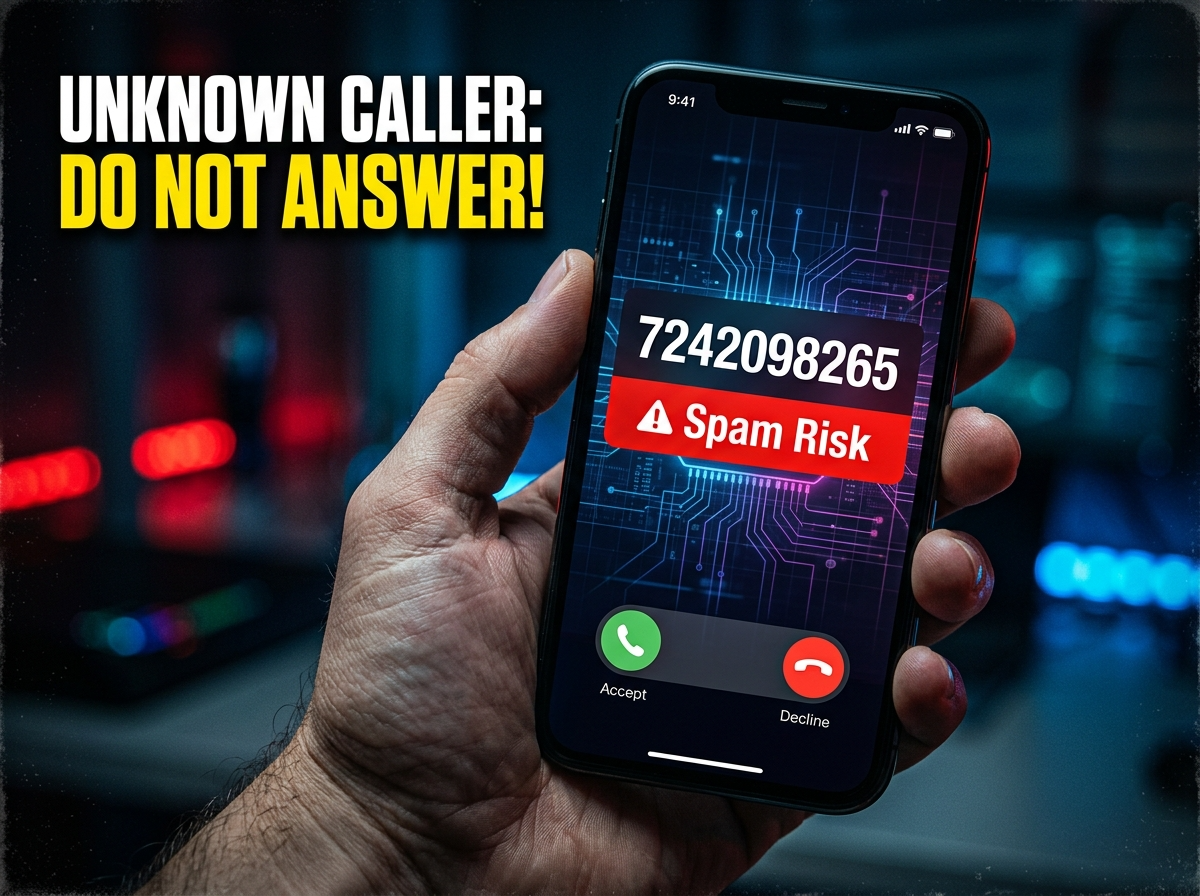
Unknown phone numbers have become one of the biggest digital concerns for mobile users worldwide, and 7242098265 is one of the numbers that many people are currently searching online. When users receive repeated calls, silent calls, suspicious text messages, or missed calls from an unfamiliar number, their first reaction is usually to search the internet to determine whether the caller is legitimate or potentially dangerous. As phone scams, robocalls, telemarketing fraud, and spoofed calls continue increasing globally, understanding suspicious numbers has become more important than ever.
The phone number 7242098265 has appeared across multiple spam-reporting platforms and community discussion websites where users describe unusual calling behavior, silent calls, quick hang-ups, and possible robocall activity. While there is no publicly 7242098265 verified organization linked to the number, many reports suggest users should approach it cautiously. Understanding how scam calls operate, why numbers like 7242098265 generate attention, and how to protect yourself from phone fraud can help reduce security risks and improve digital safety.
Understanding the Background of 7242098265
The number 7242098265 uses the 724 area code, which is associated with western Pennsylvania in the United States. However, modern phone scam operations frequently use caller ID spoofing technology, which means the displayed location may not reflect the actual caller’s identity or location. Scammers intentionally use local-looking numbers because people are more likely to answer calls that appear familiar or regional.
Several online lookup databases and spam-reporting websites show reports connected to 7242098265. The most common complaints include silent calls, calls that disconnect quickly, robocall-like behavior, and repeated unwanted contact. Some users report receiving multiple calls within short periods without clear identification from the caller. Spam-reporting communities often treat these patterns as warning signs because legitimate businesses usually provide clear identification and voicemail details.
Phone number searches have become increasingly common because users no longer trust unknown calls automatically. Years ago, answering an unfamiliar number was considered normal, but the rapid increase in fraud, phishing, and scam calls has changed user behavior. Today, millions of people search suspicious numbers online before responding. Reverse phone lookup websites and community reporting platforms now play an important role in helping users identify potentially harmful calls.
Research into scam communications also shows that mobile scams have become more sophisticated over time. 7242098265 Fraudsters increasingly combine phone calls, SMS messages, fake websites, and social engineering tactics to manipulate victims. Modern scam networks often rely on automated systems capable of contacting thousands of people daily while hiding their real identities behind spoofed numbers and temporary accounts.
Why Numbers Like 7242098265 Generate So Much Attention
Unknown numbers attract attention because people fear identity theft, financial fraud, account hacking, and phishing scams. In many cases, users search numbers like 7242098265 immediately after receiving suspicious calls. The lack of public identification increases curiosity and concern because users cannot determine whether the call was legitimate or malicious.
One important factor behind growing concern is the rise of robocalls and automated dialing systems. Scam operations now use software that automatically calls thousands of numbers to determine which phone lines are active. Silent calls and quick hang-ups are often associated with these systems because the software is designed to test whether a person answers. Once a number is confirmed as active, it may receive additional scam attempts in the future.
Another reason these numbers gain attention is public discussion on online forums and social media. Communities on Reddit and spam-reporting websites frequently share experiences involving suspicious calls, fake banking alerts, delivery scams, and urgent payment requests. When many users report similar patterns, search activity around specific numbers increases significantly. Public reporting helps others recognize warning signs before they become victims.
The rapid spread of scam information online also reflects growing awareness of cybersecurity threats. People now understand that phone calls can be used for phishing, fraud, malware distribution, and financial theft. Instead of treating spam calls as simple annoyances, users increasingly recognize them as serious digital security risks.
Common Complaints Reported About 7242098265
Several online spam-reporting databases describe similar experiences related to 7242098265. One of the most common complaints involves calls that ring briefly before disconnecting. This behavior is often associated with robocall systems that check whether a number is active. Even if the recipient never speaks, answering the call may confirm that the number belongs to a real user.
Other reports mention silent calls where nobody speaks after the recipient answers. In some situations, the line remains silent for several seconds before disconnecting automatically. According to telecommunications experts, these 7242098265 silent calls may occur when automated systems attempt to connect users with live operators but fail because no operator is available. Large-scale call centers sometimes use predictive dialing systems that create these situations.
Some users also describe receiving suspicious automated recordings. These messages may claim there is a problem with a bank account, package delivery, insurance policy, tax payment, or online account. Scam calls often attempt to create urgency so victims react emotionally instead of thinking carefully. Pressure tactics remain one of the most common methods used by fraudsters worldwide.
Community-driven reporting platforms consistently warn users about sharing sensitive information with unknown callers. Reports involving suspicious numbers frequently mention requests for passwords, verification codes, banking information, or payment details. Cybersecurity researchers warn that even small pieces of information can help scammers launch more advanced attacks later.
How Phone Scams and Caller ID Spoofing Work
Modern phone scams rely heavily on caller ID spoofing technology. Spoofing allows scammers to display fake phone numbers that appear local, official, or trustworthy. A scammer operating in another country can make a call appear as if it originates from a nearby city or recognized institution. This increases the chance that users will answer the phone.
Scammers also use psychological manipulation techniques known as social engineering. These methods target human emotions rather than technical weaknesses. Fraudsters often create fear, urgency, excitement, or curiosity to influence victims. For example, callers may claim there is suspicious banking activity, an unpaid bill, legal trouble, or a missed package delivery requiring immediate action.
Robocalls have made scam operations extremely efficient. Automated systems can place thousands of calls every hour while recording which numbers answer. Advanced scam networks use voice recordings, artificial intelligence, and automated scripts to handle interactions without needing large human call centers. Researchers studying telecommunications fraud report that phone-based scams are becoming increasingly organized and technologically advanced.
Another growing problem involves SMS phishing, commonly called smishing. Fraudsters send text messages containing malicious links disguised as legitimate notifications. These messages often imitate banks, delivery companies, or account verification systems. Clicking the link may lead to fake websites designed to steal passwords, payment information, or personal details. Many phone scams now combine calls and text messages into coordinated campaigns.
Signs That 7242098265 May Be Suspicious
Several warning signs commonly associated with scam calls appear in reports connected to 7242098265. One major red flag is repeated unsolicited contact without clear identification. Legitimate businesses usually provide company names, voicemail details, or customer references when contacting users unexpectedly.
Silent calls and quick disconnections are also commonly linked with spam-dialing systems. These behaviors often suggest automated call testing rather than genuine communication. If a caller repeatedly disconnects without explanation, experts recommend treating the number cautiously.
Another suspicious sign is urgency or pressure. Scam callers frequently attempt to rush victims into making decisions before they have time to verify information. Messages involving threats, immediate payments, urgent verification requests, or account suspension warnings are commonly associated with fraud attempts. Legitimate organizations rarely demand immediate action through unexpected phone calls.
Requests for sensitive information should always raise concerns. Banks, government agencies, and major companies typically avoid asking for passwords, PIN codes, verification codes, or complete financial details through unsolicited calls or text messages. Cybersecurity specialists consistently advise users to independently verify any unexpected request involving personal or financial information.
What You Should Do If 7242098265 Calls You
If you receive a call from 7242098265, the safest approach is caution. Avoid answering unknown calls unless you are expecting communication from a verified source. Most legitimate callers leave voicemails explaining their identity and purpose. Ignoring suspicious calls can reduce interaction with potential scammers.
If you answer accidentally, avoid sharing any personal or financial information. Do not provide passwords, banking details, verification codes, addresses, or payment information under any circumstances. Even confirming small details can sometimes help scammers build profiles for future fraud attempts.
Blocking the number is another effective protective measure. Most smartphones include built-in spam-blocking and call-filtering tools. Third-party call protection applications may also help identify reported scam numbers automatically. Many carriers now offer spam detection services that warn users about suspicious calls before they answer.
Reporting suspicious calls can also help protect others. Telecommunications regulators, carriers, and spam-reporting platforms rely on community reports to identify scam campaigns and harmful numbers. Public reporting improves spam databases and helps investigators track emerging fraud patterns more effectively.
The Global Rise of Spam Calls and Phone Fraud
Phone scams have become a worldwide problem because internet-based calling systems allow scammers to operate cheaply and anonymously. Fraud networks can launch massive calling campaigns from nearly any location while hiding their real identities using spoofing software and disposable accounts.
Data breaches have also contributed to the growth of phone scams. When websites or companies suffer security breaches, phone numbers and personal details may become exposed online. Scammers use this information to create more convincing attacks. Personalized scam attempts often appear more trustworthy because the caller already knows names, addresses, or account details.
Research into SMS and telecommunications fraud shows that modern scam operations increasingly combine multiple communication methods. Victims may first receive a suspicious text message, then a phone call pretending to confirm the issue. Fraudsters may also use social media, email, and fake websites together as part of larger scam campaigns.
Despite growing awareness, scam calls continue increasing because the financial rewards remain significant. Fraudsters constantly adapt their tactics to bypass spam filters and manipulate victims more effectively. AI-generated voices, realistic recordings, and advanced spoofing methods are making scam detection more difficult for average users.
How To Protect Yourself From Unknown Numbers
Protecting yourself from suspicious calls requires strong digital awareness and cautious behavior. One of the most effective habits is refusing to engage with unexpected callers who request sensitive information. Scam operations rely heavily on interaction, and avoiding unnecessary communication reduces risk.
Independent verification is essential whenever a caller claims to represent a bank, delivery company, government agency, or online service. Instead of trusting the incoming call, users should contact the organization directly using verified phone numbers from official websites or account documents.
Privacy management also plays an important role in reducing spam exposure. Avoid sharing phone numbers publicly whenever possible, and review account privacy settings regularly. Many spam campaigns target numbers collected through online forms, leaked databases, or public directories.
Educating family members about scam tactics is equally important. Older adults and inexperienced internet users are often targeted because scammers believe they may be easier to manipulate. Open discussions about robocalls, phishing, spoofing, and suspicious messages can help prevent fraud and improve long-term digital safety.
Should You Call Back 7242098265?
Experts generally advise against calling back unknown numbers unless their legitimacy can be independently confirmed. Some scam operations rely on callback fraud, where users are encouraged to return missed calls. In certain cases, callbacks may connect victims to premium-rate numbers or confirm that the phone number is active.
Returning suspicious calls may also expose users to additional manipulation attempts. Skilled scammers often use convincing scripts designed to build trust and gather information slowly. Even short conversations can provide clues about a person’s identity, habits, or vulnerability to future scams.
If a caller claims to represent a legitimate business or institution, users should verify the claim independently. Contacting the organization through official customer support channels is far safer than relying on information provided by the suspicious caller.
Curiosity is one of the main reasons people return unknown calls, but cybersecurity professionals recommend prioritizing caution instead. Blocking and reporting suspicious numbers is usually safer than attempting to investigate the caller personally.
Final Thoughts on 7242098265
The phone number 7242098265 has generated significant online attention because many users associate it with suspicious calling patterns, robocalls, silent calls, and possible spam activity. While no verified public business ownership has been confirmed, multiple spam-reporting websites and community discussions suggest users should treat the number carefully until its legitimacy can be independently verified.
Modern phone scams continue evolving rapidly as fraudsters adopt new technologies including caller ID spoofing, AI-assisted robocalls, and coordinated phishing campaigns. Unknown calls can no longer be trusted simply because they appear local or professional. Public awareness, careful verification, and cautious communication habits remain the strongest defenses against phone fraud.
If you receive calls from 7242098265 or similar unknown numbers, avoid sharing sensitive information, use call-blocking tools, and verify all claims independently through official sources. Staying informed about scam tactics and suspicious communication 7242098265 patterns can help protect your privacy, financial security, and personal information in an increasingly connected digital world.